

Man Utd need structural reforms, not another manager – Neville

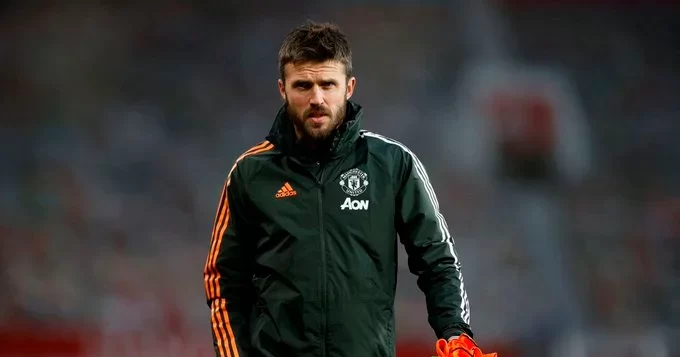
Former Manchester United captain Gary Neville has cautioned that replacing managers will not address the club’s ongoing struggles, stressing the need for deeper structural changes to revive its fortunes.
Neville made the remarks following United’s dismissal of head coach Michael Carrick, with former Tottenham Hotspur boss Mauricio Pochettino reportedly positioned to take over.
Carrick’s exit came less than six months after he signed a two-year deal, following a challenging period in which United endured their worst-ever start to a Premier League campaign. The club managed just one victory in 10 games and slipped into the relegation zone.

Speaking to NBC on Thursday, Neville warned that United could continue repeating the same pattern of appointing new managers, experiencing temporary improvements before falling back into poor form.
“Michael Carrick did that last season, so you can paper over the cracks and get a new manager bounce.
“When the new manager comes in, everybody’s happy for a couple of months and all of a sudden, six months later, it happens again. You can keep changing the manager and thinking that’s going to be the answer. But this has been proven now over 12 years; that’s not the answer,” he said.

Neville referenced several former United managers, including Ruben Amorim, Erik ten Hag, Ole Gunnar Solskjaer, Jose Mourinho, Louis van Gaal, David Moyes and Ralf Rangnick, arguing that their inability to achieve lasting success highlighted deeper institutional problems.
He identified shortcomings in the club’s performance and recruitment departments, alongside inadequate leadership, as some of the major issues affecting the team.
“If you’ve got a poor performance department, poor recruitment department, you’ve not got leadership that is strong right through the spine of the football club, you will fail,” he said.
The former England international further maintained that United needed a unified leadership structure, with clear direction extending from the boardroom and ownership to the players.
“There are real issues within that football club. You’ve got people doing those jobs who have never done those jobs before in senior positions,” Neville added.
