

The dream of walking into a phone store and leaving with a brand new smartphone is becoming increasingly difficult for many Nigerians.
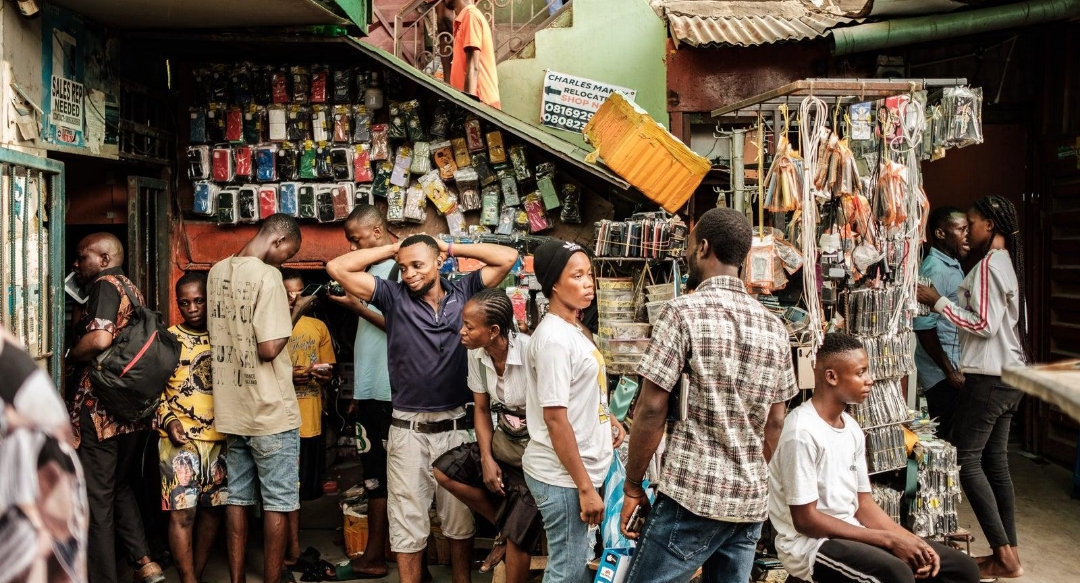
As inflation pushes up the cost of living and the naira continues to lose value against major foreign currencies, consumers are rethinking how they spend every naira. For many, the answer is no longer the latest factory sealed device but a carefully selected UK used smartphone that offers quality without draining their finances.
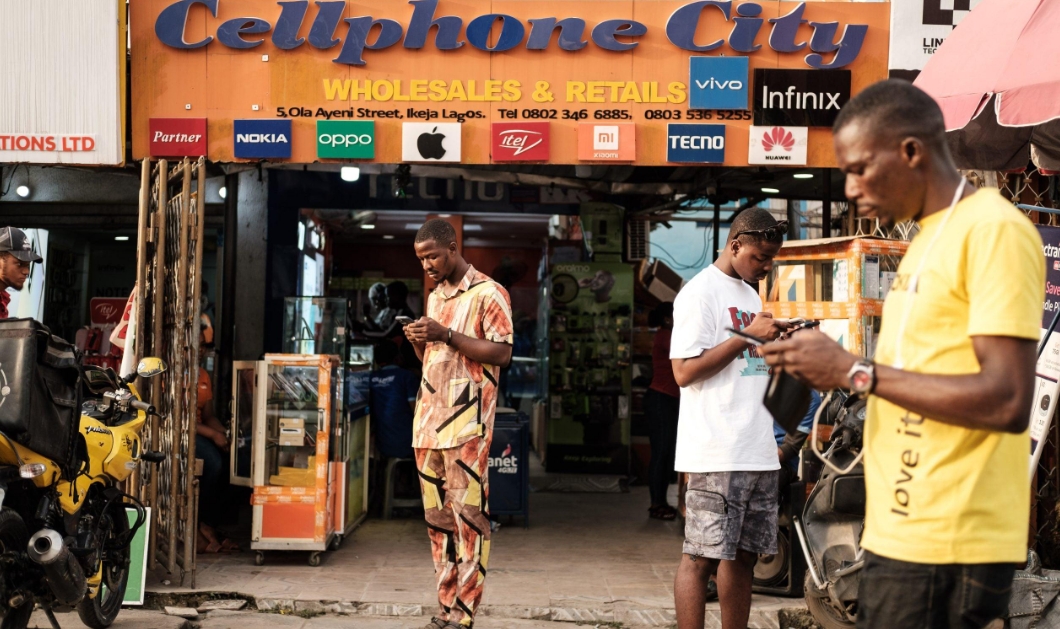
Across Nigeria’s major phone markets, from Lagos to Abuja, Kano, Port Harcourt and Ibadan, a quiet shift is taking place. Dealers say more customers now ask for UK used iPhones and Android devices than brand new models. The reason is simple: affordability.
The rising cost of imported electronics has forced many households to prioritise value over prestige. Smartphones that were once within reach of middle income earners now come with price tags that rival several months’ salary. Faced with this reality, consumers are choosing devices that deliver reliable performance at a fraction of the cost.
For many Nigerians, buying a smartphone is no longer about keeping up with the latest trend. It is about staying connected to work, business, education and everyday life. A smartphone has become an essential tool for making bank transfers, attending online classes, running businesses, creating digital content, communicating with customers and accessing government services.
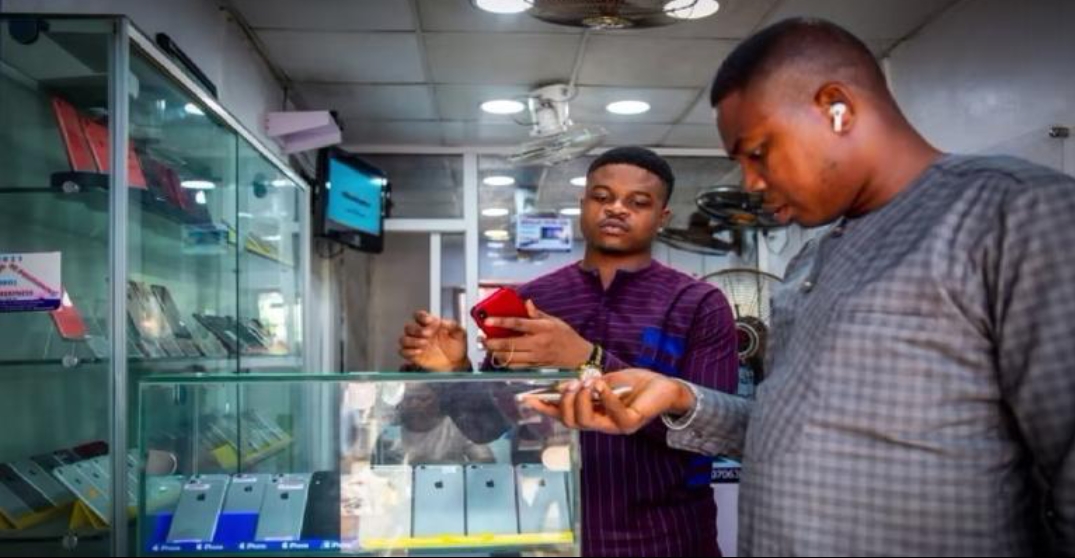
As a result, owning a functional phone is no longer optional. It is a necessity.
Phone dealers say buyers have also become more informed. Instead of asking for the newest model, many customers now want to know about battery health, camera quality, storage capacity, software support and how long the device is expected to last. Every purchase is carefully considered because every naira counts.
Students, entrepreneurs and salary earners are among those driving the demand. Many now prefer buying a UK used flagship device with premium features instead of settling for a brand new entry level phone that offers fewer capabilities.
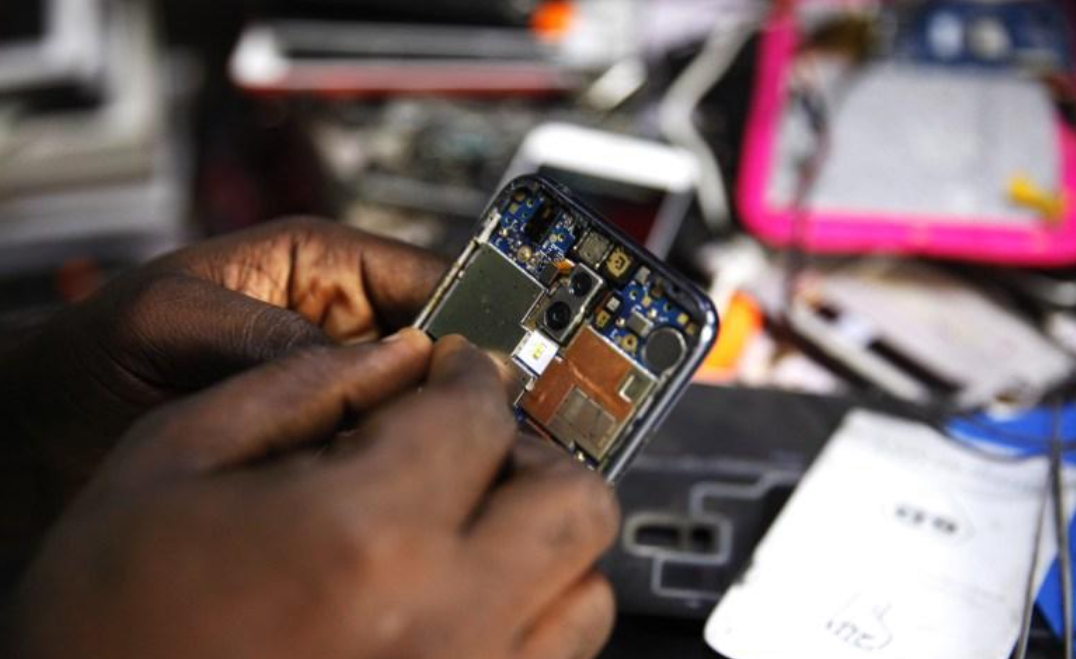
The changing buying pattern is also creating opportunities for thousands of Nigerians working in the phone repair and refurbishment business. Technicians who replace batteries, repair damaged screens, unlock devices and restore used phones say business has improved as more people choose to maintain their gadgets rather than replace them with expensive new ones.
Industry observers say the trend reflects how economic realities are reshaping consumer behaviour. Instead of viewing UK used phones as inferior, many buyers now see them as a smart financial decision that offers the best balance between cost and performance.
However, experts caution that the growing demand has also attracted dishonest sellers. Buyers are advised to purchase only from reputable dealers, verify the phone’s IMEI, inspect battery health and ensure every feature works properly before making payment.
Ultimately, the growing popularity of UK used smartphones tells a bigger story than changing shopping habits. It reflects the resilience of Nigerians who continue to adapt to economic challenges while staying connected to a digital world that increasingly shapes how they work, learn, communicate and earn a living.
In today’s economy, the question for many consumers is no longer whether a phone is brand new. It is whether it delivers value for every naira spent.
