

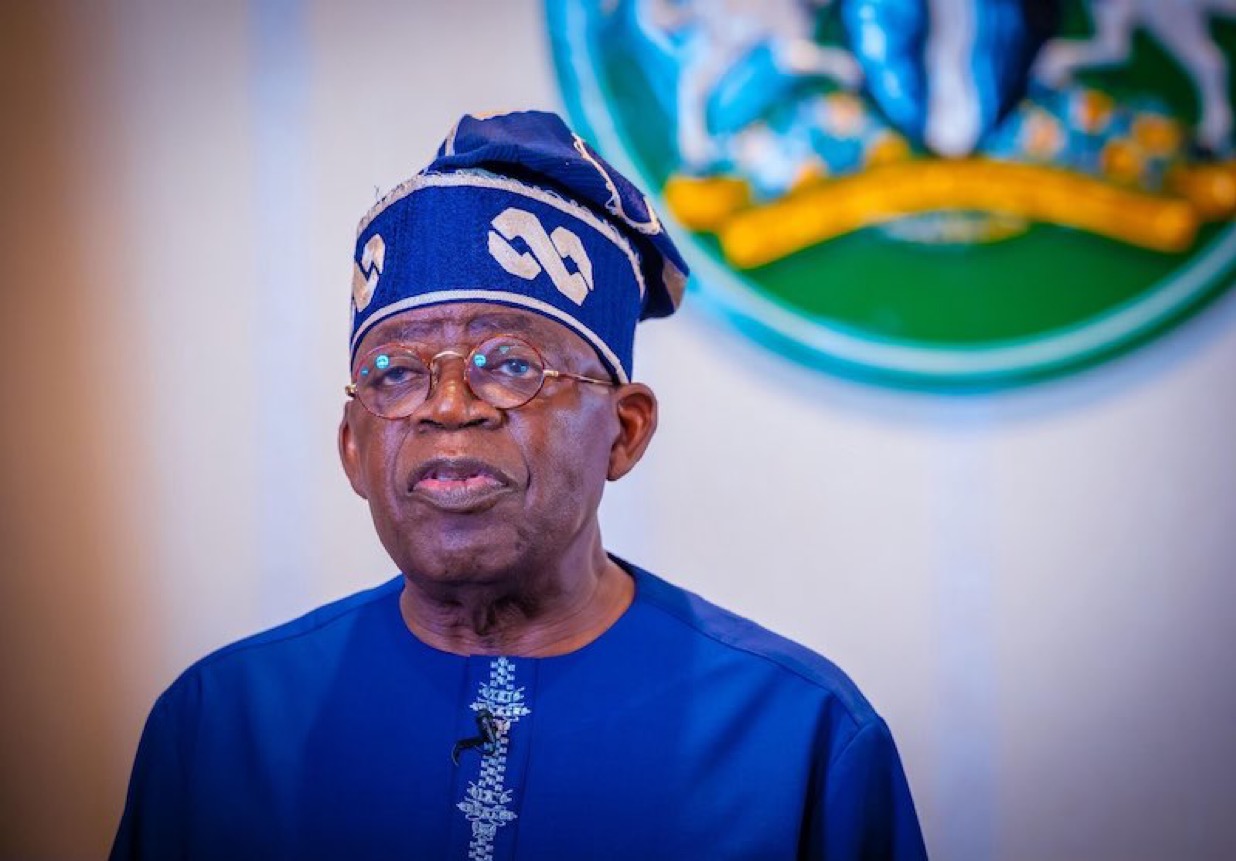
President Bola Tinubu on Tuesday reaffirmed the Federal Government’s dedication to a future in which Road Traffic Crashes (RTCs) no longer lead to loss of life.

He conveyed this commitment in a keynote speech delivered at the opening of the International Day of Remembrance for Road Traffic Crash Victims Conference in Abuja.
The President, represented by the Secretary to the Government of the Federation (SGF), Sen. George Akume, stressed that the country must bring an end to avoidable deaths on its highways.
He noted that the conference theme, “Gathering Africa and the World for Road Crash Victims,” signifies a collective determination to confront what he termed an “epidemic” of road crashes impacting families and communities nationwide.
According to the News Agency of Nigeria (NAN), the event was organised by Kwapda Road Safety Demand (KRSD) in partnership with the Federal Road Safety Corps (FRSC).
The gathering included families of victims, road safety advocates, policymakers and development stakeholders.
Citing figures from the World Health Organisation (WHO), the President pointed out that approximately 1.19 million people lose their lives globally each year to RTCs, with an additional 50 million sustaining varying degrees of injuries.
Tinubu observed that nearly every Nigerian has either been personally affected or knows someone affected by a road crash, adding that numerous victims continue to endure lasting trauma and permanent injuries.
He stated that his administration will keep prioritising efforts that enhance safe transportation, including the Lagos–Calabar coastal road project and multiple rehabilitation initiatives across the nation.
“The Federal Government is also expanding rail and water transport systems and supporting state governments in delivering modern highway infrastructure to ensure safer travel,” he said.
The President added that his attendance at the event—along with representatives of governments, global partners, civil society, the private sector and survivors—highlights a shared duty to treat road safety as a fundamental human rights concern.
He encouraged participants to exchange ideas, adopt international best standards, and reinforce global cooperation under the Safe System approach and the UN Decade of Action for Road Safety.
“Nigeria must move beyond words to decisive action if it must reverse the rising fatalities on its roads. Road traffic deaths have become a national emergency.
“However, the government awaits the conclusions of the conference to further deepen Nigeria’s road safety policies and interventions,” he added.
Tinubu praised emerging plans from the conference to establish a private sector–led, world-class trauma centre for road crash victims.
He also applauded the KRSD Foundation for its dedication to “dignifying a life by saving a life,” as well as its collaboration with the FRSC.
He expressed confidence that continued advocacy by stakeholders, supported by the media, will help reduce road crash risks and increase public awareness of victims’ experiences.
Tinubu encouraged participants to act beyond discussions and take concrete steps to make travel safer across Africa and the world.
He reiterated the government’s commitment to achieving zero RTC fatalities by working alongside the FRSC, relevant agencies, NGOs, civil society and private sector players to build a safe and sustainable transport system.
In his own remarks, FRSC Corps Marshal Malam Shehu Mohammed called for stronger global political commitment to supporting victims of road traffic crashes.
Mohammed described the event as historic and significant, emphasising that it demonstrates the power of effective collaboration between civil society organisations and public agencies.
He highlighted that the conference is the first of its kind globally, drawing international experts and participants to Abuja.
“A development that has underscores the commitment of member nations to supporting crash victims,” he said.
Mohammed said he is hopeful that the conference’s outcomes will motivate more governments to increase their political will and take action on road safety.
He added that such efforts would help reduce deaths and injuries from road crashes not just in Nigeria, but worldwide.
“Although, many may think the FRSC’s work revolves mainly around enforcement, sensitisation and public enlightenment.
“Collaboration with NGOs and CSOs has broadened its capacity to deliver on its mandate. Partnership will help deepen discipline, honour, trust and respect for human life among citizens.
“If that is done, you’ll see the crashes going down,” he maintained.
Mohammed reaffirmed the FRSC’s commitment to expanding its interventions to ensure crash victims receive the care and assistance they need globally.
