

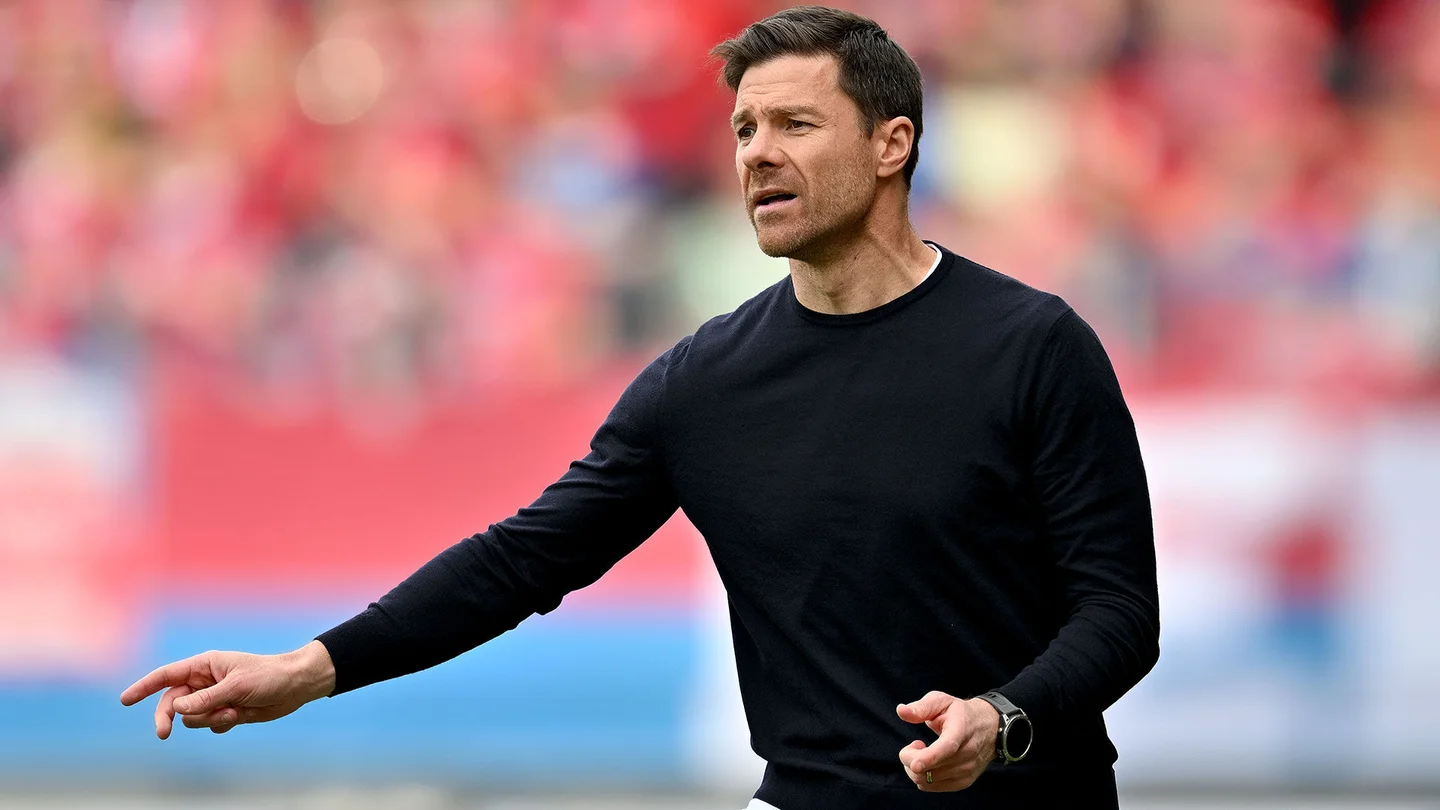
The images spread quickly: Kylian Mbappe signaling for his team-mates to leave the pitch, Xabi Alonso urging him to stay, Mbappe insisting, and Alonso ultimately turning away, following his star’s demand. No guard of honour for Barcelona after their Spanish Super Cup triumph on Sunday.

For many, it appeared to be a lapse in sporting grace, something not typically associated with Alonso. It also hinted at something deeper—that the team, not the manager, was in control.
After a tightly contested final, decided by a deflection, one could almost sense Alonso thinking “enough.”
Yet this was not a resignation, nor was it premeditated. Alonso had not expected to leave Real Madrid just seven and a half months into his tenure—not yet, anyway.
In its official statement, Real Madrid described the exit as a “mutual agreement,” though it was ultimately a departure that seemed inevitable.
After months of disagreements with the board over tactics and approach, around 4.30pm Spanish time on Monday, the board convened with a single topic in mind—the exit of Alonso.
The explanations offered to him and his staff were, at best, vague.
“He had not been able to implement the football that had made him so successful at Bayer Leverkusen.”
“The team’s physical condition was not ideal.”
“Players had not improved.”
“They did not appear to be playing for him.”
Past defeats were listed, including losses to Paris St-Germain in the Club World Cup semi-final and Atletico Madrid in La Liga (5-2).
Yet, Real Madrid remain in the top eight of the Champions League league phase, through to the next round of the Copa del Rey, and four points behind Barcelona halfway through La Liga, having defeated the Catalans in October. Was it a crisis?
More than a crisis, it reflected that Florentino Perez never fully backed his manager.
Alonso was recommended and agreed upon as the club’s boss, but without full conviction. At Bayer Leverkusen, not everyone had supported him either.
Results came, and the squad followed him. At Madrid, even with decent outcomes, that never materialized. From the beginning, Alonso felt isolated.
Starting a managerial career at Real Madrid is widely regarded as the toughest challenge in football. Refusing Madrid is rare, even for those who know how difficult it is to turn a team built on individual brilliance into a cohesive unit that presses collectively and defends as one.
A manager’s authority is strongest at arrival, but Madrid undermined Alonso from the outset.
He had wanted to begin after the Club World Cup, not before. The tournament occurred after a long season, with players thinking about holidays and some knowing they wouldn’t remain the following year. Alonso wasn’t even allowed to discuss it.
New signings failed to help: Franco Mastantuono, hyped by parts of the media as the anti-Lamine Yamal, made little impact.
Vinicius Jr’s crisis marked a turning point. His dip in form, visible protest during an El Clasico substitution, and apologies to everyone except the manager worsened matters.
Contract talks were paused to observe Alonso’s performance.
Defensive injuries mounted, and Alonso’s request for a midfielder—Martin Zubimendi—was ignored.
There were no strong personalities to unite the squad. Even Federico Valverde seemed more focused on his role than the collective.
Mbappe chased records rather than recovery, aiming to match Cristiano Ronaldo’s 59 goals in a calendar year.
Alonso could not convince players that his methods were correct. Without their buy-in, he could not impose the high press, tempo, and positional play that had defined his Leverkusen side.
So what lies ahead?
He must consider whether to rest. Those close to him suggest that leaving, though unwanted, may bring relief—it simply did not work.
Yet Europe’s elite clubs signal that they would welcome him next season, circumstances permitting.
Real Madrid, as always, appear as an outlier—a club that operates differently, restricts its manager, and subtly lays the groundwork for dismissal months in advance, aided by compliant media.
Next in line is Castilla coach Alvaro Arbeloa, a club man. But if a legend like Alonso could not transform the culture, Arbeloa faces a near-impossible task.
If the season ends trophyless, Europe’s top clubs will see it as confirmation. If, paradoxically, Real Madrid wins silverware, the same conclusion remains: some managers fit certain clubs, while some clubs refuse to be truly managed.
