

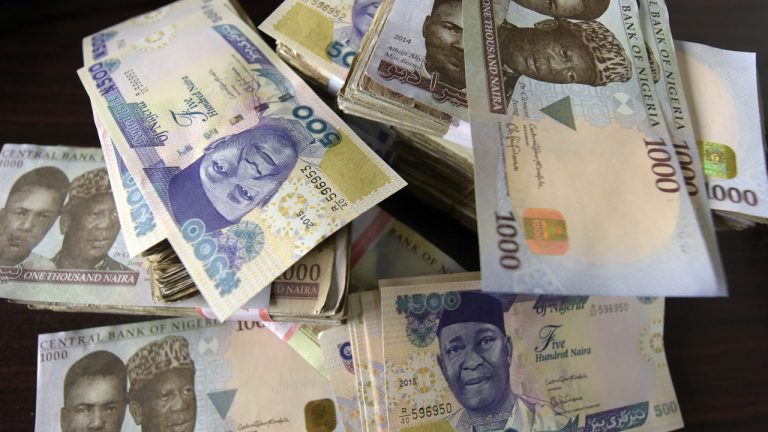
The British pound sterling held firm against the Nigerian naira during the early trading hours of Monday, March 16, 2026. Similar to the movement of the United States dollar, the pound is currently experiencing a phase of relative consolidation as the Nigerian Foreign Exchange Market (NFEM) responds to recent liquidity measures introduced by the Central Bank of Nigeria.
Figures from the official NFEM window show the pound trading at an average rate of 1,838.89 naira per pound. During the morning session, the exchange rate recorded minor fluctuations, reaching a high of 1,841.17 before easing back towards the 1,839 level. The official rate reflects a more stable market environment compared with the sharp volatility experienced in late February, as improved foreign reserves help to reduce sudden spikes in demand.

In the parallel market, the exchange rate remains slightly higher due to the immediate availability of cash for retail buyers. Bureau De Change operators in key trading areas such as Broad Street and Wuse Zone 4 are currently quoting the pound at 1,855 for buying and 1,870 for selling. Although a difference still exists between the official and black market rates, the gap has narrowed considerably compared with the wider spreads recorded earlier in the year.
Financial analysts note that the pound’s continued strength is supported by stable interest rates in the United Kingdom, which continue to attract foreign investment. Within Nigeria, the performance of the naira is being closely monitored as the market awaits the outcome of the next meeting of the Monetary Policy Committee.
For now, the “fair value” for the pound in Nigeria appears to have settled temporarily between the 1,830 and 1,870 range across both the official and parallel markets.
For travellers and importers, the last published rate on the Central Bank of Nigeria’s platform indicated a reference level of about 1,815.12. However, real-time market participants may currently pay a premium of roughly 24 to 50 naira depending on the available liquidity source.