
Japan PM to hold ‘difficult’ talks with Trump as Iran conflict dominates agenda

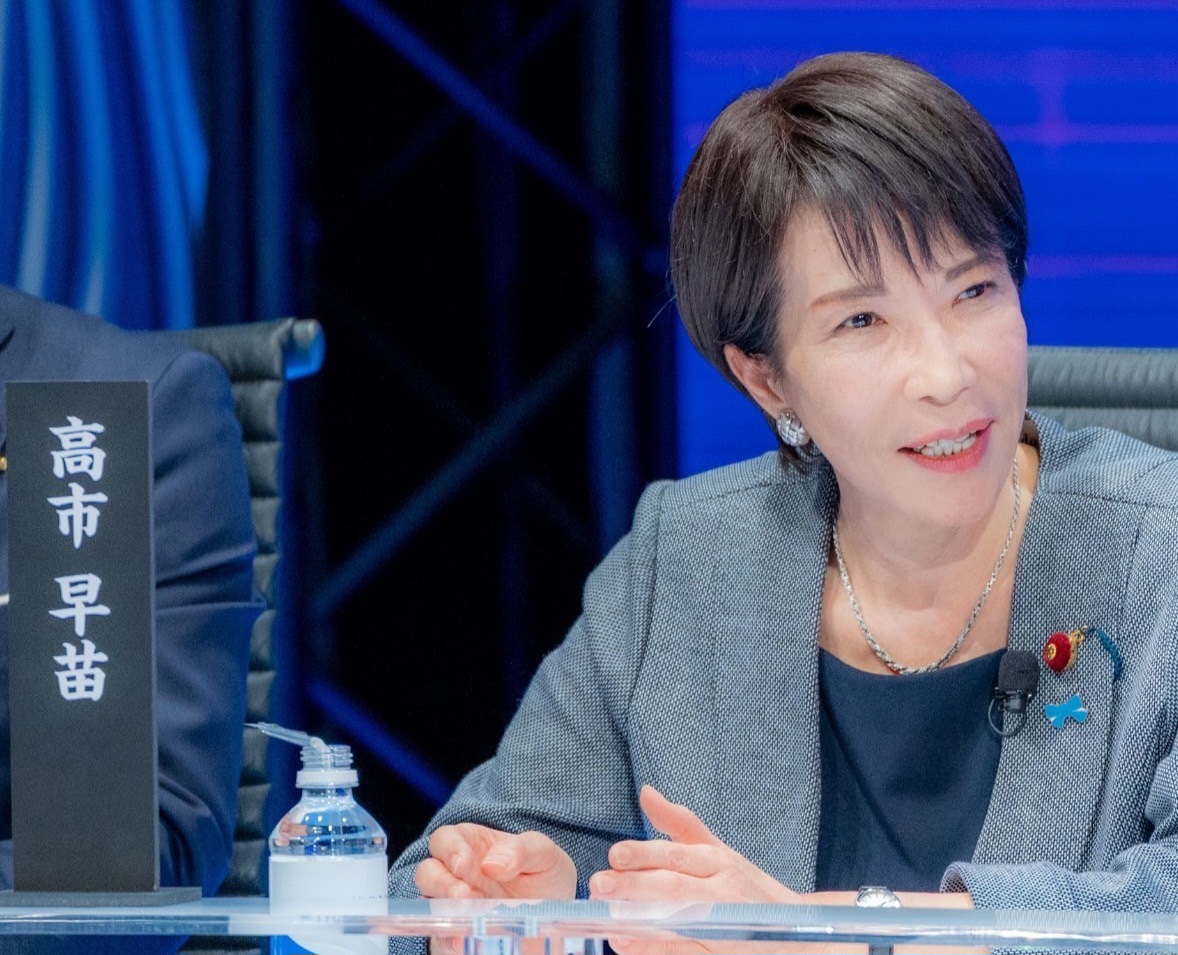
Japan’s Prime Minister Sanae Takaichi is heading to what she described as a “very difficult” meeting with United States President Donald Trump, days after his appeal for allies to help secure the conflict-hit Strait of Hormuz received limited support according to BBC.
Speaking to parliament hours before her departure, Takaichi said she would “do everything to maximise [Japan’s] national interest”.

The three-day visit to Washington was initially planned to address trade and strengthen the US-Japan alliance ahead of Trump’s diplomatic trip to China, which has now been postponed due to the ongoing conflict.
However, the war is now expected to dominate discussions, turning the meeting into a test of Takaichi’s relationship with Trump.
The trip had been scheduled in October, shortly after Takaichi assumed office, following a high-profile visit by Trump to Tokyo where both leaders praised each other and signalled a new “golden age” in bilateral relations.
Until recently, analysts believed the meeting would be successful, with Takaichi “fresh off a dominant election victory and with a new round of investment projects in the US”, according to Emma Chanlett-Avery of the Asia Society Policy Institute.
However, recent developments have complicated the agenda. Trump had earlier called on Japan and other countries to assist in securing the Strait of Hormuz, citing their reliance on Middle Eastern oil.
“We get less than 1% of our oil from the [Strait of Hormuz] and some countries get much more… We want them to come and help us,” he said.
Following a lukewarm response, Trump later withdrew the request, stating that the US did “NOT NEED THE HELP OF ANYONE!”.
Takaichi acknowledged the challenges ahead, describing the visit as a “difficult trip”.
“I want to engage in substantial discussions based on Japan’s point of view and our way of thinking,” she told reporters. “The top priority is the early de-escalation of the situation.”
Analysts say uncertainty surrounds Trump’s expectations. Koichi Nakano, a political scientist at Sophia University, noted that “No one knows, however, what exactly Trump is going to demand, and whether [Takaichi] will really have the guts to decline on the spot.”
Japan faces a delicate position, as nearly 95 per cent of its oil passes through the Strait of Hormuz, while its pacifist constitution limits military involvement in conflicts unless for self-defence.
Public opinion also remains strongly against military engagement, with a recent poll showing 82 per cent of voters disapprove of the war.
China is also expected to feature prominently in the discussions, with analysts describing it as Japan’s “biggest strategic challenge”.
Relations between Tokyo and Beijing have deteriorated since November after Takaichi suggested Japan could deploy its self-defence forces in response to an attack on Taiwan, a claim she has neither withdrawn nor apologised for.
The leaders are also expected to discuss Japan’s role in the US “Golden Dome” missile defence system, a project reportedly backed by an initial $25 billion investment and inspired by Israel’s Iron Dome.
Trade will remain a key issue, as Japan grapples with inflation, a weak yen, and slow consumer spending, making a stable economic partnership with the US increasingly important.
Takaichi is expected to present herself as a reliable partner, particularly as Japan continues to honour commitments tied to a $550 billion investment deal that secured reduced US tariffs on automobile imports.
She is also anticipated to announce additional investment projects worth about $100 billion during the visit.
However, the talks come amid fresh concerns after Washington launched an investigation into alleged unfair trade practices involving Japan and other countries, raising the possibility of new tariffs.
Japan is expected to ensure that the outcome of the meeting does not undermine previously agreed trade terms.