

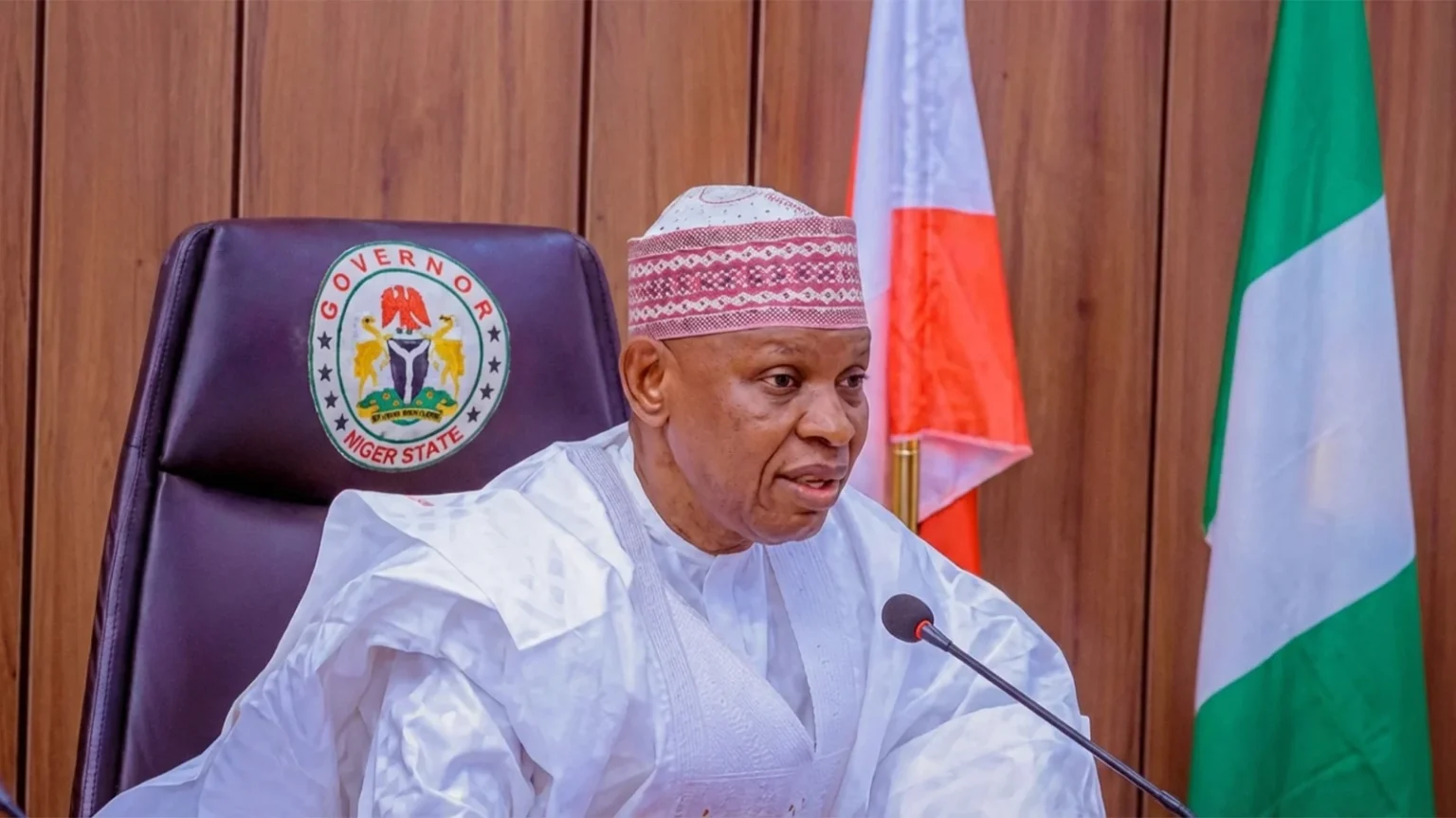
Kano State Governor, Abba Kabir Yusuf, has approved a new salary structure for academic and non-academic staff of Aliko Dangote University of Science and Technology, Wudil, and Northwest University, Kano.
The approval was contained in a statement issued on Monday by the governor’s spokesperson, Sunusi Bature Dawakin Tofa.

According to the statement, the new remuneration package was adopted from the salary structure implemented by the Federal Government in federal universities across the country.
The decision followed the recommendations of a committee constituted by the Kano State Executive Council to examine requests from the two universities for the adoption of the new salary package.
Under the approved arrangement, the salary review will take effect from January 2026, while payment is scheduled to begin in September 2026.
The new salary structure has a combined monthly financial implication of ₦391.85 million, translating to ₦4.70 billion annually for the two universities.
For Aliko Dangote University of Science and Technology, Wudil, the monthly cost is ₦228.20 million. Of this amount, ₦141.08 million is allocated to academic staff under the ASUU agreement, while ₦87.11 million is for non-academic staff under SSANU.
Northwest University, Kano, will have a monthly salary implication of ₦163.65 million, comprising ₦112.24 million for academic staff and ₦51.41 million for non-academic staff.
The state government also approved ₦1.57 billion in the 2026 Supplementary Budget to cover the salary payments from September to December 2026.
However, arrears covering January to August 2026, estimated at ₦3.13 billion, will be provided for in the 2027 Budget.
The government said the salary review was aimed at improving staff welfare and ensuring industrial harmony in the two institutions.
The governor also approved the consideration of visitation panels for the two universities and other tertiary institutions across the state.
The move, according to the statement, is intended to strengthen accountability, administration and effective management within the institutions.
Yusuf reaffirmed his administration’s commitment to improving workers’ welfare and strengthening the quality of higher education as part of its broader investment in human capital development.