

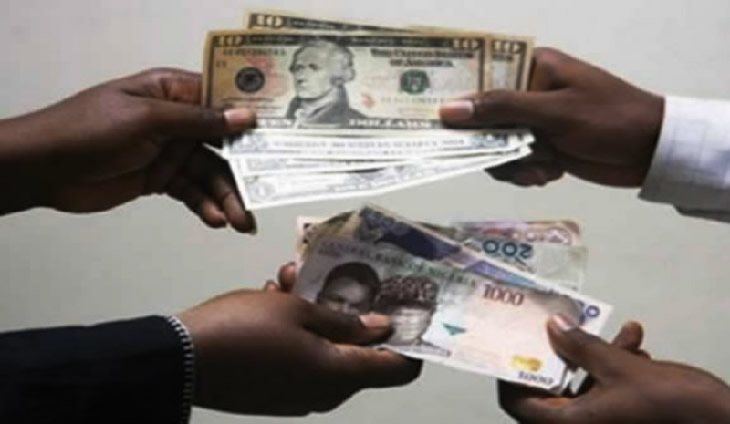
The Nigerian naira recorded a relatively stable performance against the United States dollar on Thursday, June 11, 2026, in both the official Nigerian Foreign Exchange Market (NFEM) and the parallel market, as market participants continued to track liquidity levels and foreign exchange demand.
Data from the Central Bank of Nigeria’s exchange rate portal showed that the official NFEM rate hovered around the ₦1,360 per dollar range in recent trading sessions, with only slight movements as market forces of supply and demand played out. The NFEM remains the official benchmark rate, determined by volume-weighted transactions in the foreign exchange market.

Market analysts attributed the naira’s stability to improved liquidity in the official window and ongoing monetary measures aimed at sustaining exchange rate stability. Recent trends show the currency trading largely within the ₦1,350–₦1,370 band against the dollar at the official market.
In the parallel market, also known as the black market, traders quoted the dollar at around ₦1,395 to ₦1,405 per dollar, depending on location and transaction size, while buying rates were reported at approximately ₦1,385 per dollar.
The difference between the official and parallel market rates remains relatively narrow compared to previous years, indicating increased convergence within Nigeria’s foreign exchange system. Analysts say sustained dollar inflows into the official market and improved confidence have helped reduce volatility in recent months.
However, currency dealers noted that demand from importers, travellers, and businesses making foreign payments continues to drive activity in the parallel market despite improved official access to foreign exchange.
As of June 11, 2026, the prevailing rates were:
• Official NFEM rate: around ₦1,360–₦1,366 per dollar
• Parallel market buying rate: about ₦1,385 per dollar
• Parallel market selling rate: about ₦1,395–₦1,405 per dollar
Foreign exchange rates may still vary across banks, Bureau De Change operators, and regions depending on transaction volume and market conditions.