

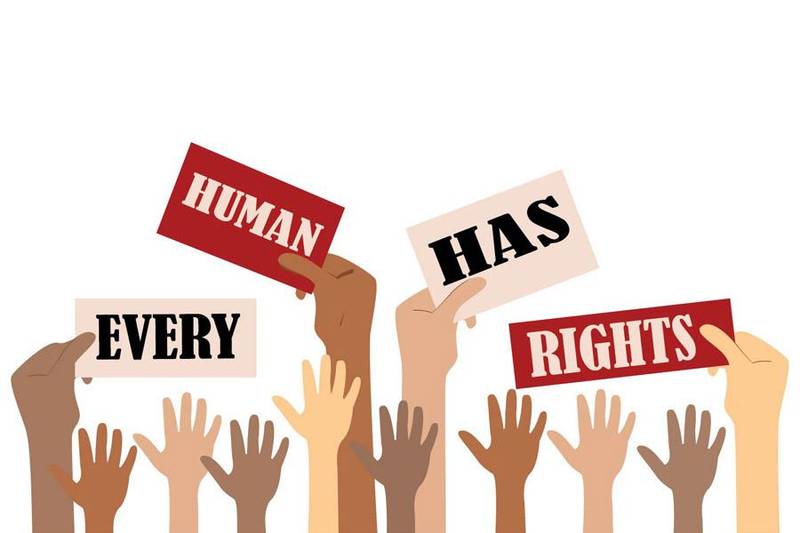
Every Nigerian has certain rights protected by the Constitution of the Federal Republic of Nigeria.
These rights are known as fundamental human rights, and they are meant to protect the dignity, freedom, and well-being of every citizen.

Unfortunately, many people are unaware of these rights, making it easier for them to be ignored or violated. Understanding your rights is an important step toward protecting yourself and others.
What Are Fundamental Human Rights?
Fundamental human rights are basic freedoms and protections guaranteed to every Nigerian regardless of age, gender, religion, ethnicity, or social status. These rights are contained in Chapter IV of the Nigerian Constitution.
Here are some of the key rights every Nigerian should know:
1. Right to Life:
Every person has the right to life. No one should be deprived of their life unlawfully. This means that every Nigerian deserves protection from unlawful killing and violence.
2. Right to Dignity of Human Person:
Every Nigerian deserves to be treated with respect and dignity. Torture, inhuman treatment, slavery, and forced labour are prohibited under the law.
3. Right to Personal Liberty:
No one should be arrested or detained without lawful reason. If a person is arrested, they have the right to know why and must be brought before a court within a reasonable time.
4. Right to Fair Hearing:
Everyone has the right to a fair hearing when involved in any legal matter. A person is considered innocent until proven guilty by a competent court.
5. Right to Privacy:
Your home, correspondence, phone conversations, and personal information are protected by law. No one should invade your privacy without legal justification.
6. Freedom of Thought, Conscience and Religion:
Every Nigerian is free to choose, practise, and change their religion or beliefs without fear of discrimination or persecution.
7. Freedom of Expression:
Citizens have the right to express their opinions and share information responsibly. This includes freedom of speech, writing, and access to information.
8. Freedom of Assembly and Association
People have the right to gather peacefully, join groups, associations, trade unions, or political parties of their choice.
9. Freedom of Movement:
Every Nigerian can move freely within the country and reside in any part of Nigeria without unlawful restrictions.
10. Freedom from Discrimination:
No citizen should be discriminated against because of their ethnic group, place of origin, religion, gender, or political opinion.
Why Knowing Your Rights Matters
Knowing your rights helps you identify when they are being violated. It also empowers you to seek justice through the appropriate legal channels when necessary. A society where citizens understand their rights is more likely to promote fairness, accountability, and respect for the rule of law.
What to Do If Your Rights Are Violated
If you believe your rights have been violated, you can:
* Report the matter to the police where appropriate.
* Seek legal advice from a qualified lawyer.
* Contact human rights organisations for assistance.
* Approach the court to seek redress.
Conclusion:
Human rights are not privileges; they are protections guaranteed by law. Every Nigerian should take time to understand these rights and responsibilities. Being informed can help you protect yourself, support others, and contribute to a society where justice and dignity are respected for all.