

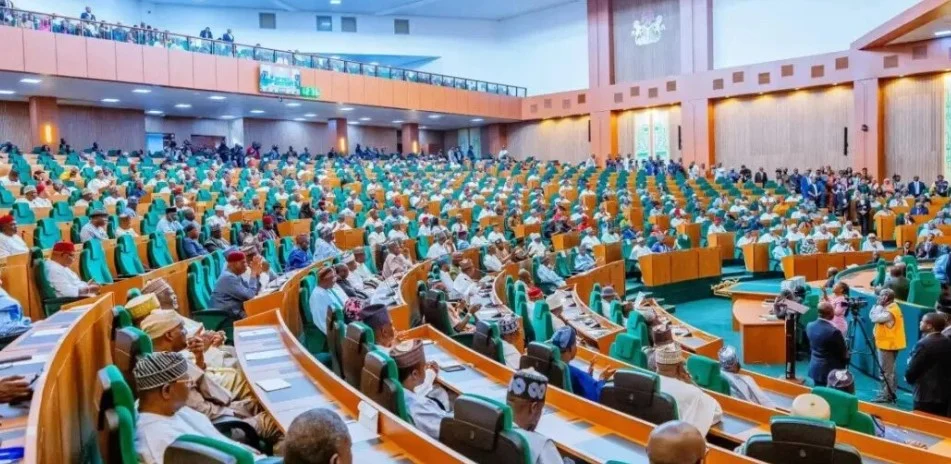
The House of Representatives has taken steps toward creating a regulatory body for nutrition professionals by approving for second reading a bill to establish the Nutritionists Registration Council of Nigeria.
The proposed legislation, sponsored by Chike Okafor, who represents Okigwe South Federal Constituency of Imo State, is designed to regulate the practice of nutrition, curb the activities of unqualified practitioners and improve Nigeria’s response to malnutrition and food-related health issues.
Presenting the bill, Okafor described it as “a necessary legislative response to a ticking time bomb of malnutrition and food insecurity” confronting the country.
He argued that the absence of legal protection for the title “Nutritionist” has allowed people without the required qualifications to practise, thereby weakening professional standards.
He said, “The bill is the necessary legislative response to close that gap, protecting the public from unqualified practitioners. By regulating the nutrition profession, we ensure the public can distinguish between a clinically trained dietitian for disease management and a nutritionist focused on general nutrition value chains and the wellness of Nigerians.”
The lawmaker also clarified that the proposed council would not duplicate the functions of the planned Dietitians Council, noting that both professions serve different but complementary purposes in the healthcare system.
He explained that while dietitians mainly provide clinical nutrition care for patients with illnesses such as diabetes, hypertension and kidney disease, nutritionists are more involved in public health nutrition, food systems, maternal and child nutrition, policy development, research and community programmes.
Highlighting the country’s worsening nutrition challenges, Okafor referenced findings from the 2023/2024 National Demographic and Health Survey, which showed increasing cases of child malnutrition, stunting and maternal anaemia despite heavy government and donor investments.
According to him, “there is an obvious disconnect between accountability, resource allocation and successful policy implementation,” a challenge he attributed to the lack of a proper regulatory framework for nutrition professionals.
Under the proposed legislation, the council would maintain a register of nutritionists and nutrition assistants, set professional and educational standards, oversee licensing and registration, and discipline practitioners found guilty of misconduct.
It would also work with health authorities, the National Universities Commission and international development partners to strengthen nutrition education, research and sustainable food systems.
Okafor further assured lawmakers that the council would operate through internally generated revenue, rather than depending on government funding.
He maintained that creating the council would improve the availability of qualified nutrition professionals in hospitals, schools, primary healthcare centres, correctional facilities and other public institutions, while promoting evidence-based solutions to the country’s nutrition and food security challenges.
Describing the legislation as “a vital tool for public health protection,” he appealed for the support of his colleagues.
He said, “This bill is a necessary instrument to professionalise the nutrition workforce, protect public health and ensure accountability and value for the massive investments in nutrition. It is about safeguarding our future by ensuring our people have access to the best possible advice on what to eat for optimum health.”
