

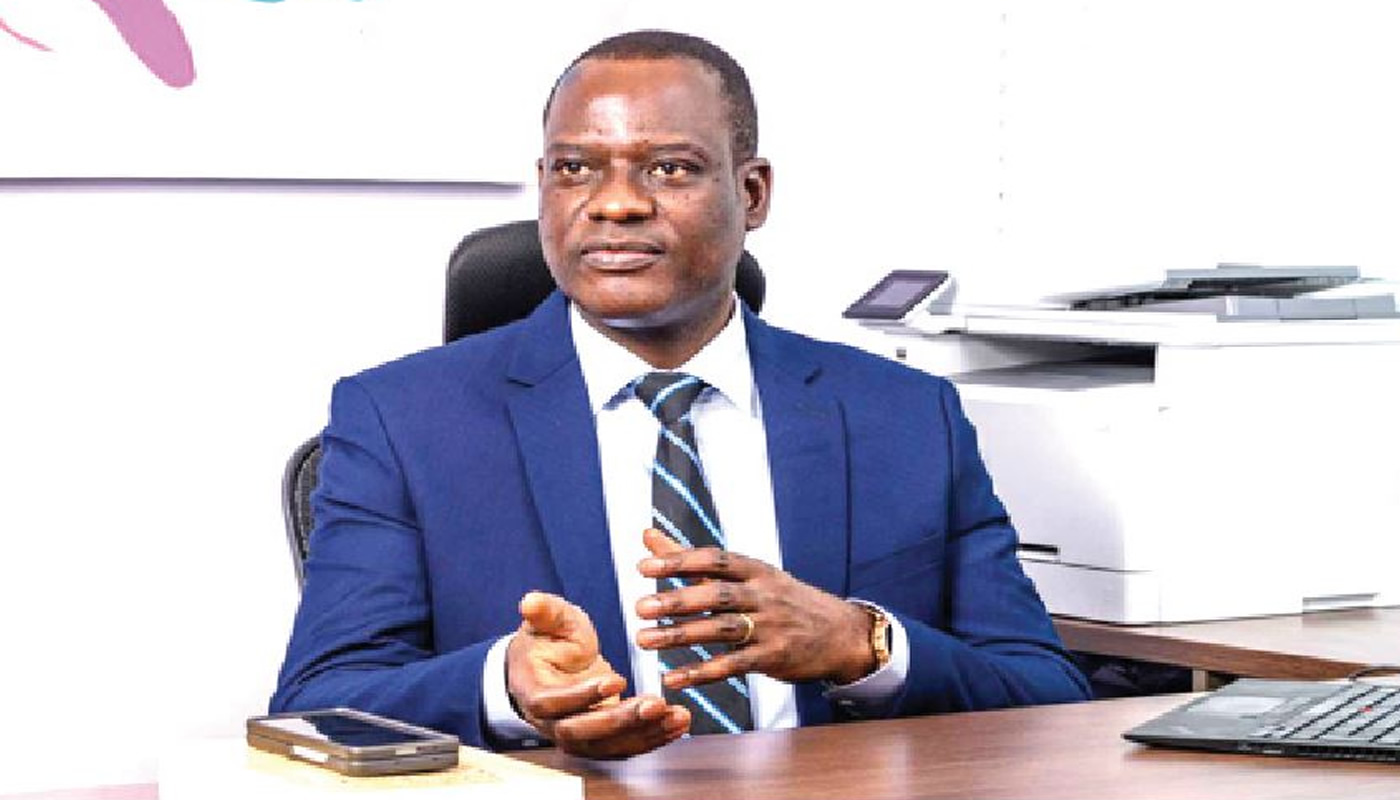
The Minister of Finance and Coordinating Minister of the Economy, Taiwo Oyedele, has urged regulators and operators in Nigeria’s banking sector to strengthen public confidence, describing trust as the foundation of a resilient financial system and a thriving economy.
Speaking at the 2026 International Association of Deposit Insurers (IADI) Africa Regional Committee (ARC) Workshop in Abuja, Oyedele said confidence in financial institutions must be earned through transparency, strong governance and consistent action.

“Confidence cannot be legislated, purchased, or imposed; it must be earned through strong institutions, transparency, effective communication, preparedness, and consistent action.
“The stronger our institutions, the greater the confidence they inspire. The greater the confidence, the more resilient our financial system becomes, and the more resilient our financial system, the stronger our economies, and the greater the prosperity we can create for our people,” he said.
The minister said Nigeria’s recent banking recapitalisation exercise was designed to strengthen lenders and improve their resilience amid growing global economic uncertainties.
“A better capitalized banking system is a more resilient one, better able to absorb shocks and sustain lending without recourse to the deposit insurance fund.
“For deposit insurance, the significance is direct. Stronger bank balance sheets mean a stronger financial safety net.
“A financial system credible in the eyes of the world is one in which depositors are more likely to place and keep their confidence.
“Deposit insurance is necessary for inclusive growth. Deposit insurance does not just protect savings; it supports financial inclusion.
“When people trust financial institutions, they save more. When savings increase, banks lend more. When lending expands, businesses invest and jobs are created,” Oyedele said.
He noted that Africa’s financial landscape is rapidly evolving through cross-border banking, fintech innovation and digital payments, stressing the need for closer collaboration among regulators and financial institutions to safeguard stability.
“No single institution preserves financial stability alone. Central bank, deposit insurer, supervisors, finance ministry, resolution authorities, and the media each have a role to play, and our coordination must be as seamless as the crisis we prepared for,” he added.
Also speaking at the workshop, Managing Director of the Nigeria Deposit Insurance Corporation (NDIC), Thompson Sunday, reaffirmed the corporation’s commitment to protecting depositors and maintaining confidence in the banking system.
He described the workshop’s theme, “Safeguarding Stability: Public Awareness and Crisis Readiness for a Stronger Future,” as timely, noting that digital innovation, fintech, artificial intelligence and cross-border financial activities were reshaping the global financial landscape.
“Confidence remains the most valuable asset in any financial system. Indeed, trust takes years to build but can be eroded within days if stakeholders perceive uncertainty or instability.
“As deposit insurers, central banks, supervisors, and resolution authorities, our collective responsibility extends beyond establishing protective frameworks; it includes ensuring that the public understands, trusts, and relies on those frameworks during both normal and turbulent times.
“Public awareness is, therefore, an essential pillar of effective deposit insurance systems, and a critical tool for deposit insurers. A well-informed depositor is more likely to make rational decisions and less likely to react adversely to rumours, misinformation, during periods of uncertainty. Public awareness must therefore be treated not as a peripheral concern but as a pillar of stability,” he said.
Sunday said the 2023 global banking turmoil highlighted the importance of crisis preparedness, coordinated responses and timely intervention in protecting financial stability.
“Although different factors drove the bank failures, they triggered a widespread crisis of confidence in banks and financial markets, prompting national and international policymakers to examine the underlying causes and draw critical lessons.
“These events serve as a reminder that financial crises can emerge unexpectedly and evolve rapidly, particularly in digital environments, where information travels instantaneously, and depositor reactions can be amplified by technology and social media. In such circumstances, preparedness, effective coordination and timely intervention can make the difference between maintaining stability and allowing contagion to spread throughout the financial system,” he said.
Chairman of the Senate Committee on Banking, Insurance and Other Financial Institutions, Senator Mukhail Abiru, described financial stability as “the quiet heartbeat of a thriving nation,” stressing that it is essential for preventing panic and ensuring orderly resolution during financial crises.
