

For many people, checking a phone has become part of everyday life. From making calls and sending messages to taking pictures, getting directions and searching for information, smartphones have become almost impossible to do without.
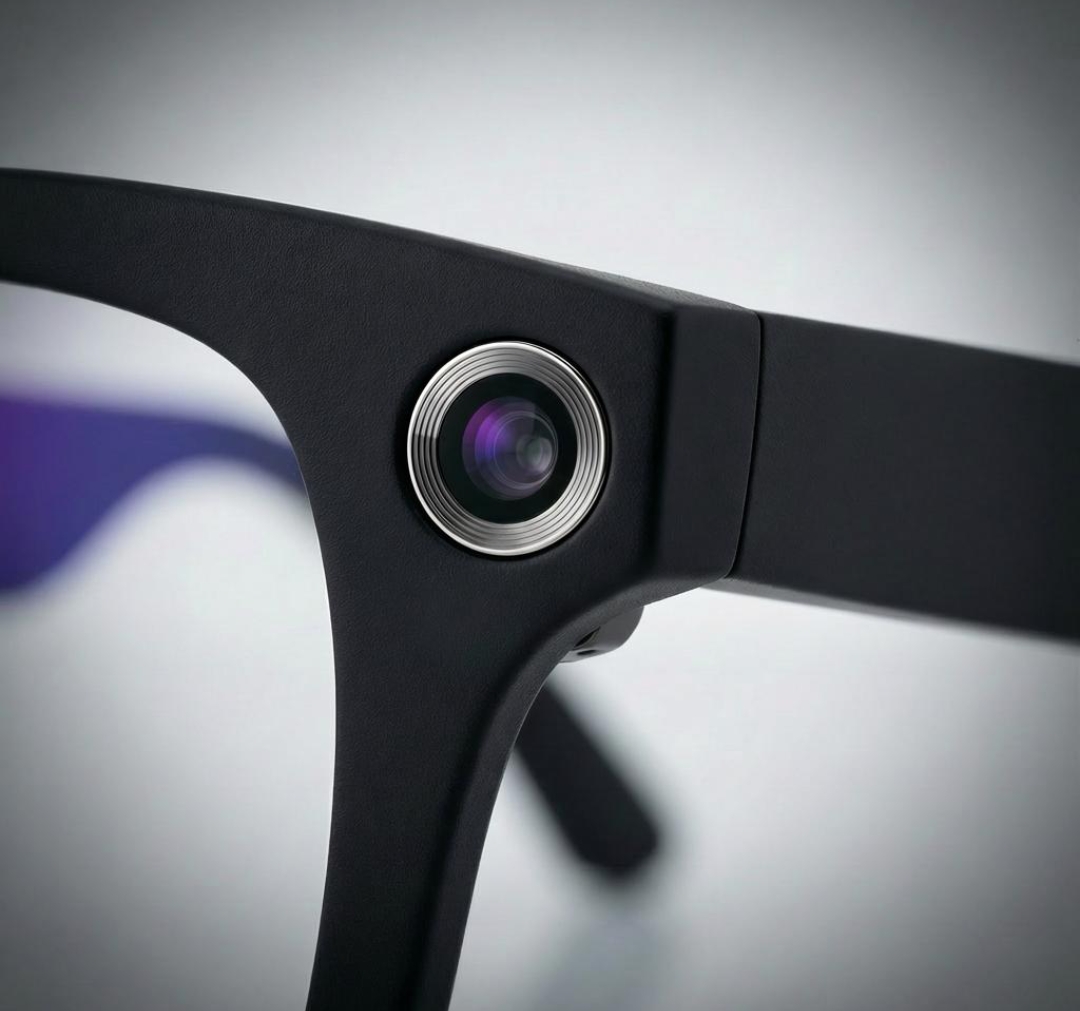

But technology is changing, and a new device is trying to make some of these activities easier.
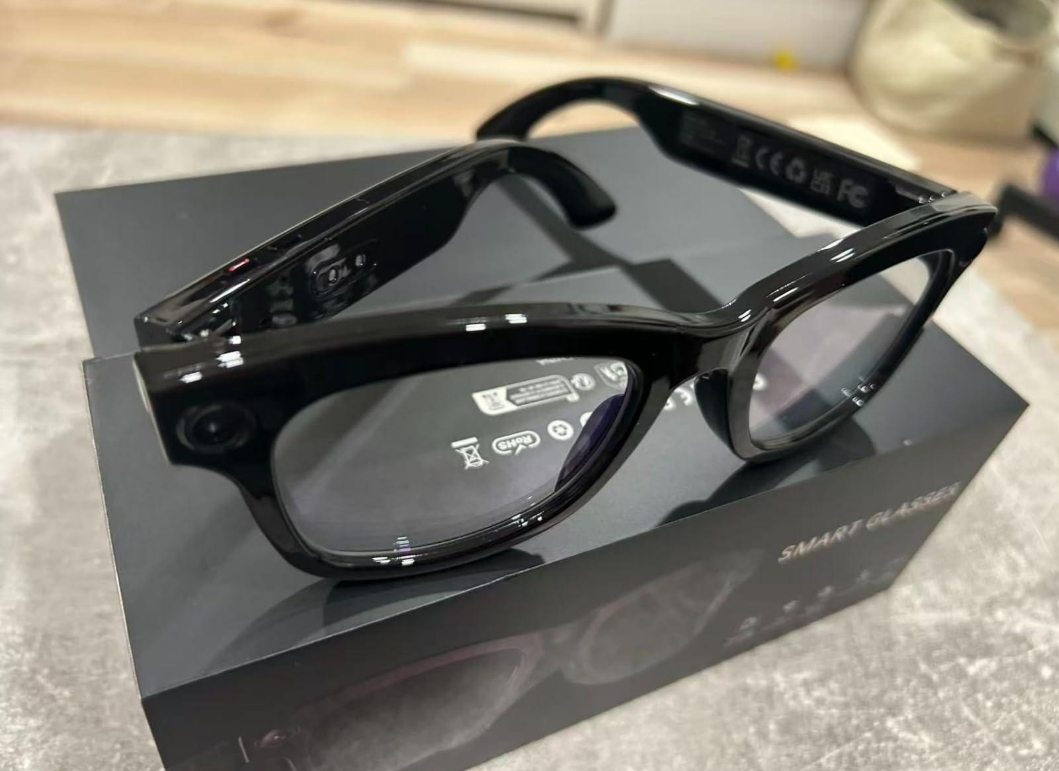
Smart glasses are glasses that look like normal eyewear but come with technology built into them. Depending on the type, they can have cameras, microphones, speakers and access to artificial intelligence.
Instead of bringing out a phone to perform simple tasks, a user can use voice commands through the glasses.
For example, someone can ask a question, make a call, listen to music or take a picture without holding a phone. Some advanced models can also use AI to provide information about what the wearer is seeing.
This has made smart glasses one of the interesting developments in wearable technology.
Imagine walking through a new place and asking your glasses for directions while keeping your phone in your pocket. A traveller could also take pictures without stopping to bring out a phone.
The technology could also be useful at work. A person who needs their hands to carry out a task could use voice commands instead of constantly checking a phone or computer.
However, smart glasses are not without problems.
One major concern is privacy. If the glasses have a camera, people around the wearer may not know when they are being recorded. This has raised questions about whether people should be informed before they are photographed or recorded.
Cost is another issue. Smart glasses are still more expensive than many ordinary glasses, and some models may require an internet connection or a smartphone to work properly.
For many Nigerians, this could affect how quickly the technology becomes popular. A smartphone can already perform many of the functions offered by smart glasses, so people may not see the need to spend extra money on another device.

There is also the question of comfort. Unlike a phone, which can be put away when it is not needed, smart glasses are worn on the face. Some people may not like the idea of wearing a device that contains cameras and microphones throughout the day.
Still, smart glasses show where technology may be heading.
They may not replace smartphones completely anytime soon, but they could become another way people interact with technology.
As artificial intelligence continues to improve, the glasses people wear every day may eventually do much more than help them see clearly. They could become personal assistants that help users communicate, find information and interact with the world around them.
For now, smartphones remain the dominant device. But smart glasses are already showing that the next big technology may not be something we hold in our hands — it could be something we wear.
