

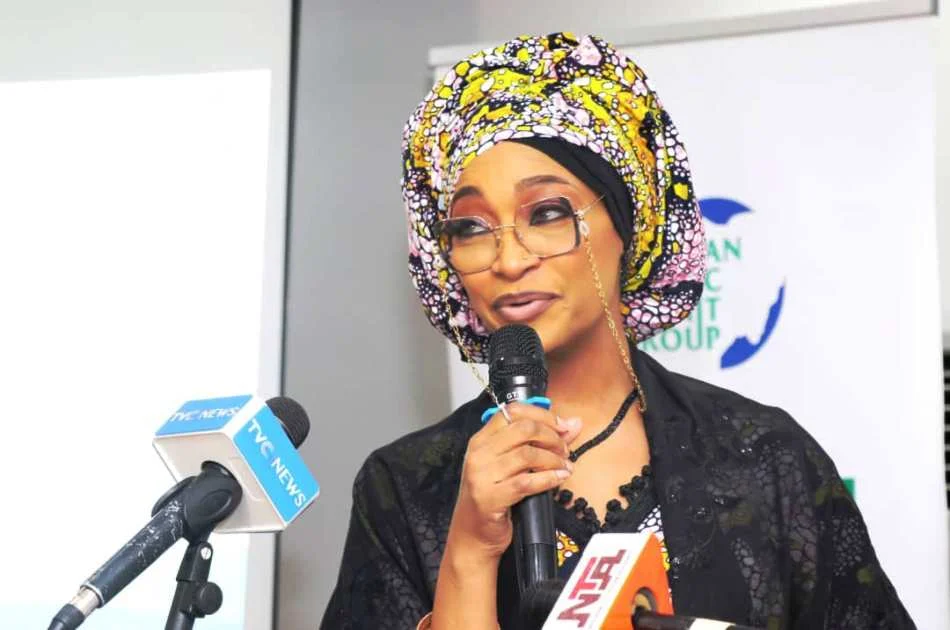
The Federal Government is seeking to generate two million employment opportunities from Nigeria’s creative sector by 2030, the Minister of Art, Culture, Tourism and Creative Economy, Hannatu Musawa, has said.
Musawa made this known on Friday in Kano at the conclusion of the 2026 Kano Creative Summit, where she called for stronger commercialisation of the creative talents and cultural resources found across Northern Nigeria.

The summit, organised by the National Theatre, brought attention to the need to expand Nigeria’s creative economy beyond the country’s major commercial centres.
Held under the theme, “Beyond Lagos: Unlocking Northern Nigeria’s Creative Economy,” the two-day event ended with a call for practitioners to build sustainable businesses around their talents.
Musawa said Kano’s history showed that the city had maintained a thriving creative ecosystem long before the term “creative economy” became popular.
She pointed to the city’s traditional industries and entertainment sector, including dyeing, leather production, textile work, embroidery, blacksmithing, cultural performances and Kannywood, as areas with considerable economic potential.
“Kano had a creative economy long before anyone gave the name creative economy to the industry,” she said.
According to the minister, Kannywood has also succeeded in taking Hausa-language films to audiences outside Nigeria, particularly across West Africa and other parts of the world.
She said the industry deserved greater recognition as part of Nigeria’s international film presence, alongside Nollywood.
Musawa also highlighted Kano’s historical contribution to literature, revealing that women in the city had been producing and marketing novels locally since the late 1950s.
She further mentioned the influence of artists linked to the Zaria Art Society on the growth of contemporary Nigerian art.
The minister said the appointment of Kannywood star Ali Nuhu to lead the Nigerian Film Corporation reflected the government’s intention to give industry professionals a greater role in shaping creative institutions.
However, she said many practitioners still struggled to make adequate income from their talents because of poor business organisation, ownership challenges and difficulties accessing profitable markets.
“Talent has never been a problem here,” she said.
Musawa explained that the major task was to create a system where creative professionals could earn sustainable incomes and make the sector attractive to younger Nigerians.
She noted that some traditional artisans were abandoning their crafts because the businesses were no longer providing enough income to meet their needs.
“What is missing is rarely talent. It is ownership, business structure, and a way into the market and directly into the money.
“The Federal Government is responding through its creative economy programmes, including an eight-point plan and Destination 2030, which targets two million jobs in the creative industry by 2030,” she said.
She explained that the decision to hold the summit in Kano was part of a broader strategy to distribute opportunities in the creative economy across Nigeria rather than allowing Lagos and Abuja to remain the main beneficiaries.
Musawa urged young creatives in Kano and other Northern states to treat their talents as businesses, protect their intellectual property and develop structures that can provide long-term income.
She said the growth of the sector would help preserve the region’s cultural industries while creating sustainable economic opportunities for future generations.
