
Four-year degree programmes must be completed in four years – FG

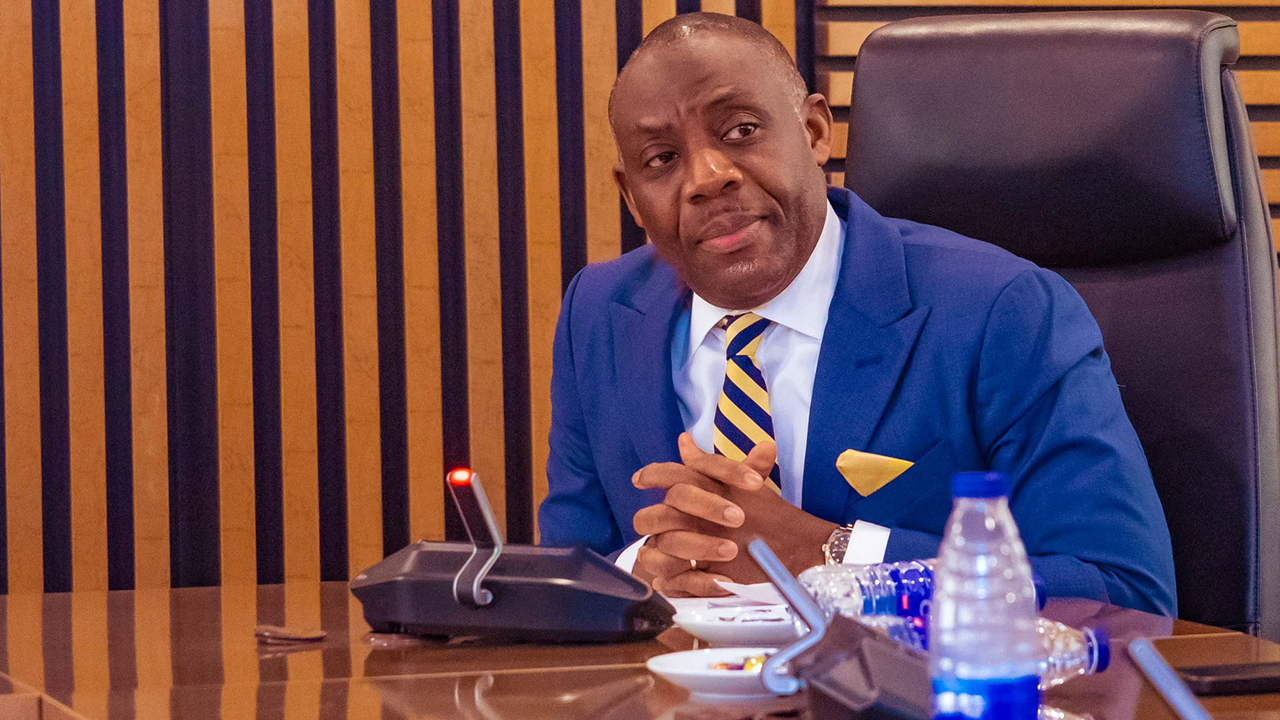
The Federal Government has reiterated that four-year degree programmes must be completed within the stipulated period, while announcing plans to expand its implementation and monitoring committee to include academic and non-academic staff unions across tertiary institutions as part of efforts to prevent strikes.
The Minister of Education, Dr Tunji Alausa, disclosed this on Tuesday in Abuja during the unveiling of the 2026 agreements between the Federal Government and unions in universities, polytechnics and colleges of education.

Alausa said the agreements were designed to translate President Bola Tinubu’s campaign promise into action by ensuring that students complete four-year programmes within the prescribed timeframe.
“During his campaign, President Bola Ahmed Tinubu promised that a four-year course would be completed in four years.
“Today, through his leadership, these agreements give practical expression to that pledge: A promise made, a promise kept, and trust restored,” the minister said.
According to Vanguard, Alausa said the government was determined to end recurring disputes over unfulfilled agreements, which have disrupted academic calendars and delayed students’ progress.
Committee to monitor implementation
The minister announced plans to expand the existing Implementation and Monitoring Committee, established for the agreement with the Academic Staff Union of Universities, into a single platform for monitoring agreements with academic and non-academic unions across tertiary institutions.
He said the committee’s membership would be broadened to accommodate relevant unions and stakeholders, adding that the government would work towards making it a permanent structure.
The committee is expected to track agreed milestones, assess progress, resolve implementation challenges and ensure accountability through periodic reports.
According to Alausa, the arrangement would help identify difficulties early and resolve them before they degenerated into disputes capable of disrupting academic activities.
He urged union leaders to channel complaints through the committee rather than resorting to public confrontations or threats of strikes.
“We must strengthen early consultation and resolve differences through constructive dialogue, mutual respect and good-faith engagement.
“Our students and their families must remain at the centre of these efforts,” he said.
Alausa added that the agreements contained a provision for review every three years, allowing the government and unions to reopen discussions on emerging concerns and mutually agreed adjustments.
