

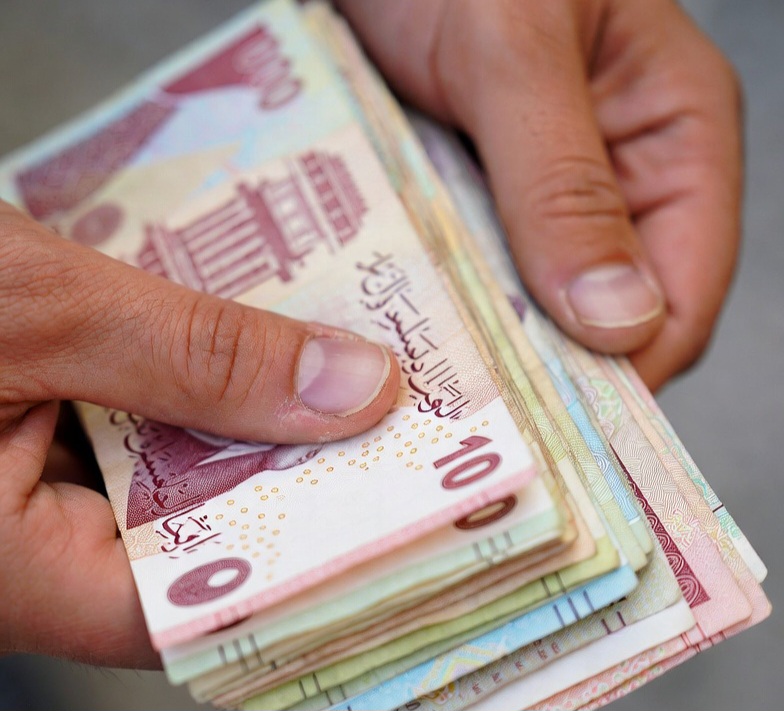

These expenses may not seem serious at first. However, when they become regular habits, they can reduce how much money is left for savings, emergencies and other important needs.
Here are five everyday expenses that could be draining your income without you realising it:
1. Frequent food orders and eating out
Buying food from restaurants or ordering meals regularly can be convenient, especially after a long day at work. However, the cost can add up quickly when it becomes a daily habit.
For example, spending money on breakfast, lunch and dinner outside the home may cost more than preparing some meals yourself. Delivery fees and other charges can also increase the total amount spent.
Planning meals ahead, preparing food at home and reserving restaurant visits for special occasions can help you reduce food expenses.
2. Unplanned purchases
Buying items simply because they look attractive, are on sale or are trending can affect your budget. These purchases may include clothes, shoes, accessories, beauty products and household items you do not urgently need.
Although each purchase may seem affordable, making several unplanned purchases in a month can leave you with less money for essential expenses.
Before buying something, consider whether you genuinely need it and whether it fits your budget. Waiting a day or two before making non-essential purchases can also help you avoid spending money on impulse.
3. Unused subscriptions and recurring payments
Subscriptions for streaming platforms, mobile applications, internet services and other digital products can become unnecessary expenses when you no longer use them regularly.
Since many subscriptions renew automatically, you may continue paying without paying much attention to the deductions.
Review your subscriptions every month and cancel those you rarely use. Where possible, choose a plan that matches your needs instead of paying for features you do not use.
4. Frequent small transfers and convenience spending
Small expenses such as buying snacks, paying for quick deliveries, purchasing drinks and making frequent transfers may not appear significant on their own.
However, spending small amounts several times a day can add up over a week or month. Bank charges and other transaction fees may also contribute to your spending, depending on your account and payment method.
Keeping a simple record of these expenses can help you understand where your money goes. You can also reduce unnecessary purchases by carrying water, planning errands ahead and combining trips where possible.
5. Buying things to keep up with others
Social pressure can influence how people spend their money. You may feel the need to buy the latest phone, wear expensive clothes, visit popular restaurants or attend costly events because your friends or colleagues are doing the same.
While there is nothing wrong with enjoying nice things, spending beyond your means to impress others can put pressure on your finances.
Set spending limits based on your income and financial priorities. Remember that you do not have to match another person’s lifestyle to enjoy your own life.
How to Take Control of Everyday Expenses
The first step towards better money management is understanding your spending habits. Record your expenses for a few weeks and identify the areas where you spend more than necessary.
Create a realistic budget that covers your basic needs, savings and personal spending. You do not have to stop enjoying the things you love; the goal is to make sure your spending reflects your income and priorities.
You can also set a weekly limit for non-essential purchases and review your progress at the end of each month.
Conclusion
Everyday expenses can gradually reduce your income when they are not properly managed. Frequent food orders, impulse purchases, unused subscriptions, convenience spending and pressure to keep up with others are some common examples.
Paying attention to these habits can help you make better financial decisions and keep more of your money for the things that matter. Small changes in your daily spending can make a difference over time.