


Many people buy inverters and batteries to keep their homes powered during electricity outages. However, while the two devices work together, they do not perform the same function.
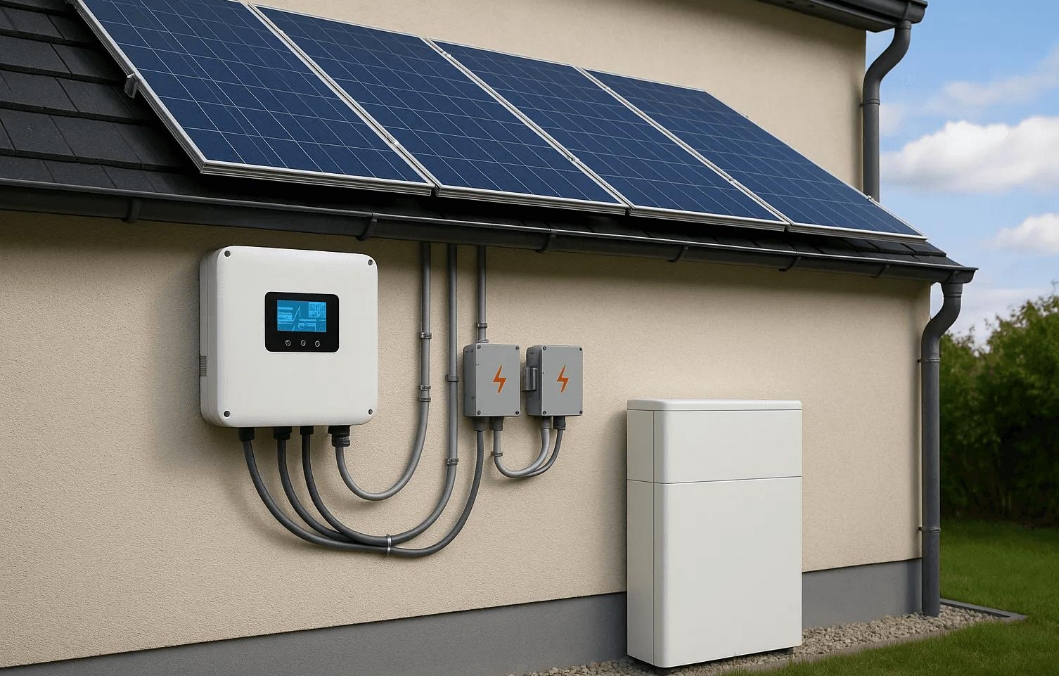
An inverter helps convert electricity into a form that household appliances can use, while a battery stores electrical energy for later use.
Understanding the difference is important, especially for Nigerians looking for ways to reduce their dependence on generators and the national grid.
What Does an Inverter Do?
An inverter is an electrical device that converts direct current (DC) electricity into alternating current (AC).
Most batteries store electricity as DC, while common household appliances such as televisions, refrigerators, fans and computers generally use AC electricity.
The inverter changes the stored DC electricity into AC power, allowing these appliances to operate.
For example, when there is a power outage, an inverter can draw electricity from a connected battery and supply it to appliances in the home.
Some modern inverters can also work with solar panels and the national grid, depending on their type.
What Does a Battery Do?
A battery has a different responsibility. Its main job is to store electrical energy and release it when needed.
When electricity is available, the battery can be charged and kept ready for use during power outages.
For households using solar energy, batteries can store excess electricity generated during the day so it can be used at night or when sunlight is limited.
The amount of electricity a battery can store is measured in kilowatt-hours (kWh). A battery with a higher capacity can generally store more energy, although how long it lasts depends on the appliances being powered.
What Happens When They Work Together?
An inverter and battery are often connected as part of a backup electricity system.
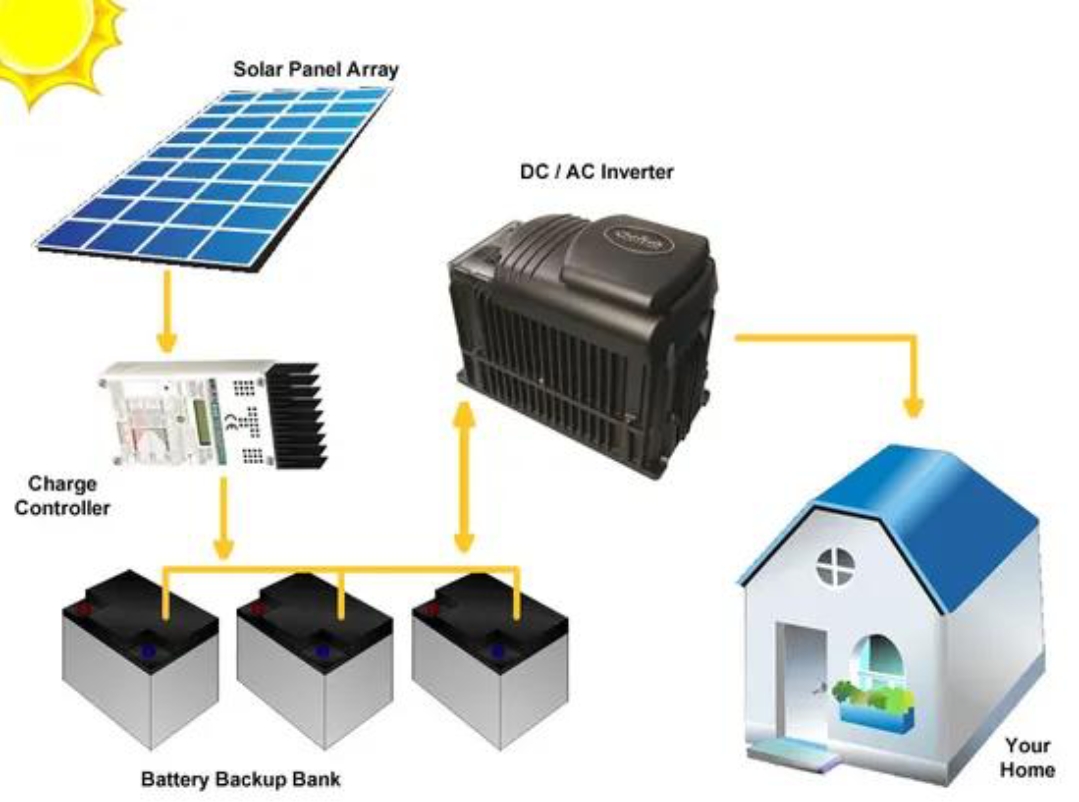
When public electricity is available, the system can charge the battery. Once power goes off, the inverter draws energy from the battery and converts it into electricity that household appliances can use.
This allows people to continue using selected appliances without immediately switching to a petrol or diesel generator.
However, the backup period depends on the battery’s capacity and the amount of electricity being consumed.
Can an Inverter Work Without a Battery?
Yes, but it depends on the type of inverter and the available power source.
Some solar inverters can operate with solar panels without a battery, supplying electricity when there is sufficient sunlight.
However, a conventional battery-based inverter generally needs a battery or another suitable DC power source to provide backup electricity.
This means buying an inverter alone does not automatically guarantee electricity during a power outage.
Which One Is More Important?
Both devices serve different purposes, so comparing them is not really about choosing one over the other.
The inverter handles power conversion, while the battery provides stored energy.
For someone who wants backup electricity at home, both are usually necessary in a conventional inverter-and-battery setup.
The right combination depends on the number of appliances, how much electricity they consume and how long the household wants its backup power to last.
What Should You Consider Before Buying?
Before purchasing an inverter and battery, it is important to calculate the electricity requirements of your home.
An inverter must have enough power capacity to handle the appliances you intend to use at the same time.
The battery should also have enough storage capacity to support those appliances for the expected number of hours.
It is equally important to choose compatible equipment and have the installation handled by a qualified technician.
Using an inverter that is too small or a battery with insufficient capacity could result in poor performance and frequent power interruptions.
Ultimately, an inverter and a battery may work together, but they are not the same thing. One converts electricity for use, while the other stores it.
Knowing how each device works can help homeowners avoid unnecessary spending and choose a backup power system that meets their needs.
