

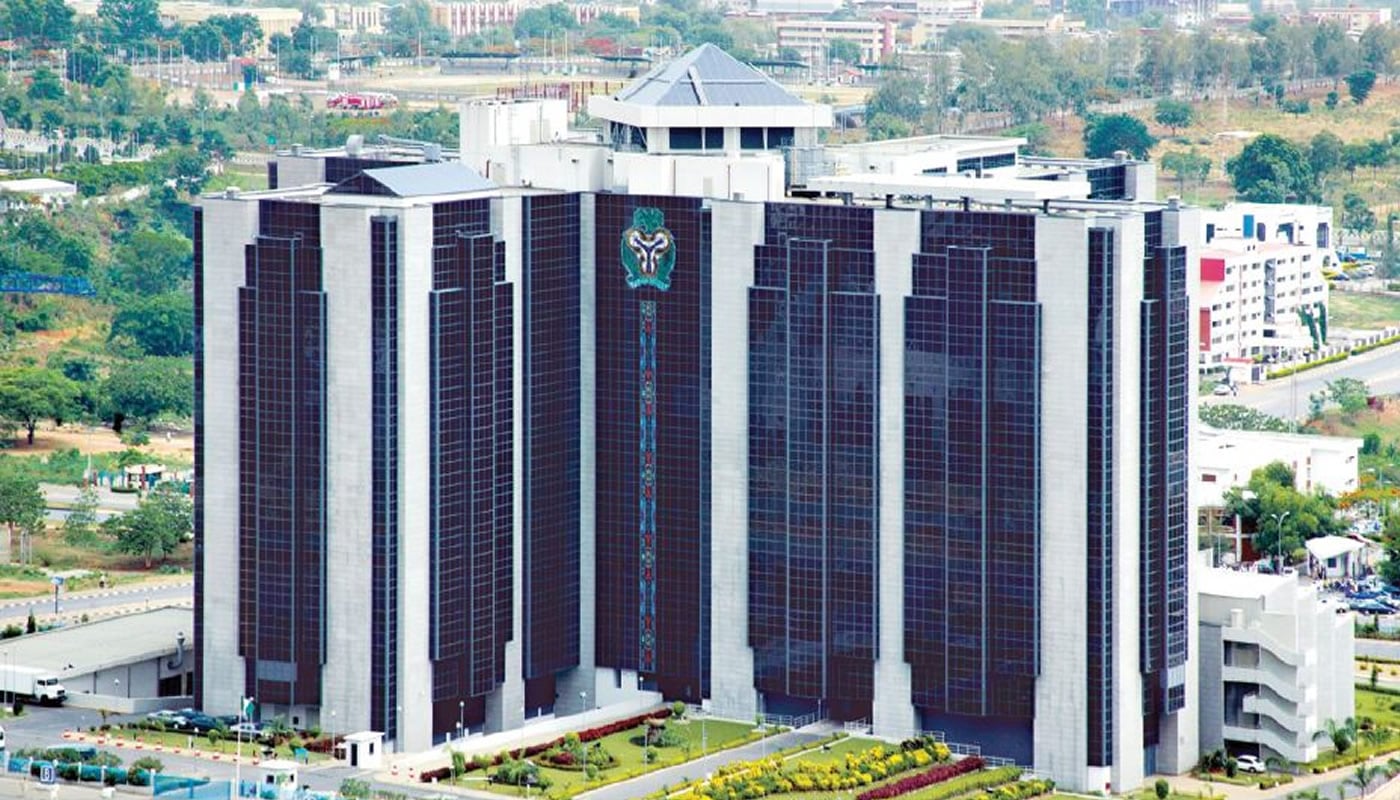
Central Bank of Nigeria has said financial literacy is a key part of its strategy for driving economic growth, stressing that informed financial decisions by citizens are vital to national development.
Speaking at the Global Money Week 2026 event held at its headquarters in Abuja, the Director of Consumer Protection and Financial Inclusion Department, Aisha Isa-Olatinwo, stated that “the ability to make informed financial choices is a critical life skill that not only empowers individuals and strengthens families but also supports national economic growth.”

The programme, which brought together students from several schools, was organised as part of a global effort to improve financial management skills among young people.
Isa-Olatinwo noted that financial literacy has become increasingly essential in today’s fast-changing financial environment, adding that “in today’s rapidly evolving financial landscape, financial literacy is no longer optional; it is essential.”
She explained that the theme of the 2026 edition, ‘Smart Money Talks’, highlights the importance of open conversations about money, helping to build confidence and correct misconceptions.
She also pointed to ongoing initiatives by the Central Bank of Nigeria to promote financial awareness, including digital learning tools and public education campaigns such as the Bank Consumer Education Series and the ‘Sabi Money’ platform.
According to her, the apex bank plans to expand its financial literacy drive beyond schools to reach a wider population.
Encouraging students to adopt better financial habits, she advised them to view money as a tool for investment rather than immediate spending.
“Let’s not see money as an instrument to spend. Look at money as an instrument for investment, and the yield from that investment, you can spend. That way, you build a rich future,” she said.
Other officials at the event, including Temilade Akinfadeyi and Amuwa Nelson, emphasised that the initiative aims to equip young people with practical money management skills and encourage responsible financial behaviour.
They noted that the programme provides participants with opportunities to interact with financial institutions and learn about savings, spending, and investment.
The Central Bank of Nigeria reaffirmed its commitment to strengthening financial inclusion and building a more financially literate population as part of efforts to support long-term economic growth.
