

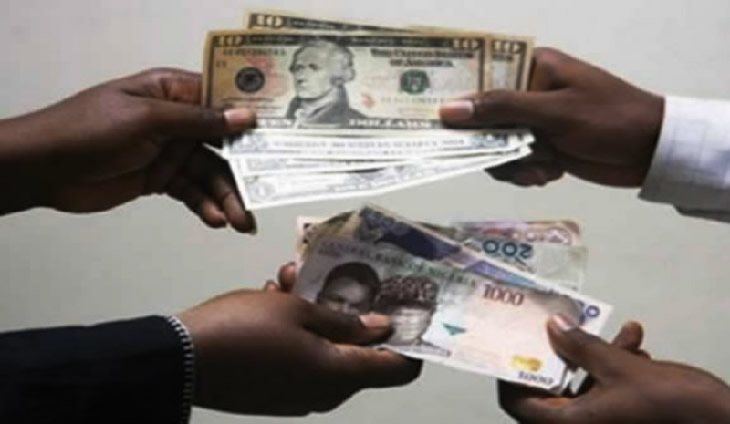
The Nigerian naira began the new trading week with a modest recovery against the United States dollar after experiencing moderate volatility during the first half of March.
Data from the Nigerian Foreign Exchange Market (NFEM) and parallel market traders in major cities including Lagos, Abuja and Kano indicate that the gap between official and unofficial exchange rates has narrowed.

As of the morning of Monday, March 16, 2026, the naira was trading at an average of 1,387.89 per dollar in the official NFEM window. This reflects a slight improvement compared with last Friday’s closing levels, when the currency hovered around the 1,400 mark. During intraday trading, the highest rate recorded in the official market reached 1,388.65, while the lowest transaction stood at approximately 1,385.67.
In the parallel market, widely referred to as the black market, the naira also showed relative stability. Currency traders in Lagos reported a buying rate of 1,390 and a selling rate of 1,405 per dollar. Although the parallel market remains more expensive for buyers, the current gap of less than two per cent between the NFEM and the black market suggests that recent liquidity injections and policy measures by the Central Bank of Nigeria are helping to limit excessive speculation.
Market analysts attribute the relative stability to rising foreign portfolio inflows and a steady supply of foreign exchange from the central bank to Bureau De Change (BDC) operators. However, the Monetary Policy Rate (MPR), currently at 26.5 per cent, continues to place pressure on domestic borrowing costs as authorities prioritise inflation control and efforts to stabilise the currency.
For businesses and individuals planning transactions today, the previous week’s closing rate of 1,366.23 listed on the Central Bank’s official website serves as a reference point. However, real-time trading activity early on Monday indicates slightly higher rates in the 1,380 range due to morning demand.