

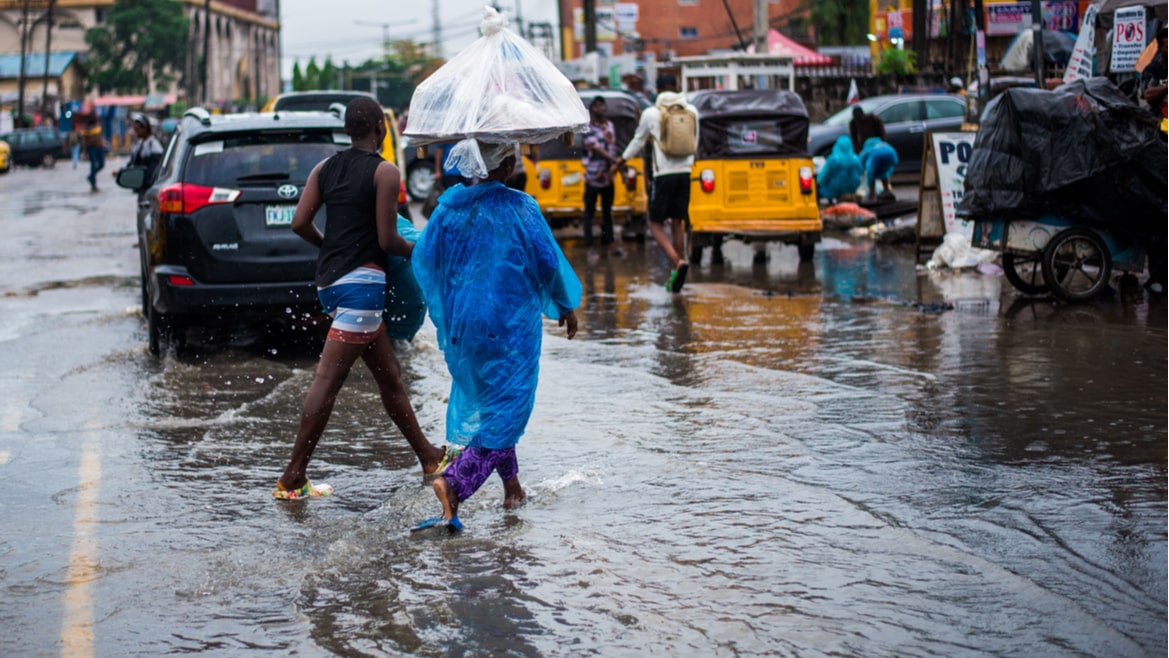
The rainy season is here, and several parts of Nigeria are already experiencing flooding due to heavy rainfall.
Floods can happen suddenly, putting lives, homes, businesses, and property at risk. Knowing what to do before, during, and after a flood can help keep you and your loved ones safe.

Here are seven important flood safety tips everyone should know.
1. Stay Updated on Weather Reports:
Pay attention to weather forecasts and flood warnings from reliable sources. If authorities advise residents to move to safer areas, follow the instructions without delay.
2. Avoid Walking or Driving Through Floodwater:
Floodwater may look shallow, but it can be deeper and stronger than it appears. It may also hide open drains, sharp objects, or dangerous animals. Never attempt to walk or drive through flooded roads.
3. Switch Off Electricity:
If floodwater is entering your home, switch off the main electricity supply if it is safe to do so. This helps reduce the risk of electric shock.
4. Keep an Emergency Kit Ready:
Prepare a bag containing clean drinking water, non-perishable food, a flashlight, batteries, essential medications, important documents stored in a waterproof bag, and a fully charged power bank.
5. Move to Higher Ground:
If flooding becomes severe or you receive an evacuation order, leave low-lying areas and move to higher ground immediately. Do not wait until the water level becomes dangerous.
6. Keep Children Away from Floodwater:
Children should never play in floodwater. It may be contaminated with sewage, chemicals, or harmful germs that can cause serious illnesses.
7. Maintain Good Hygiene After a Flood:
Wash your hands with clean water and soap after coming into contact with floodwater. Drink only safe or treated water, and avoid eating food that has been exposed to floodwater.
CONCLUSION:
Flooding is already affecting some communities across Nigeria, and more areas may be impacted as the rainy season continues. Staying informed, preparing ahead, and following these safety tips can help protect you, your family, and your property during this period.