

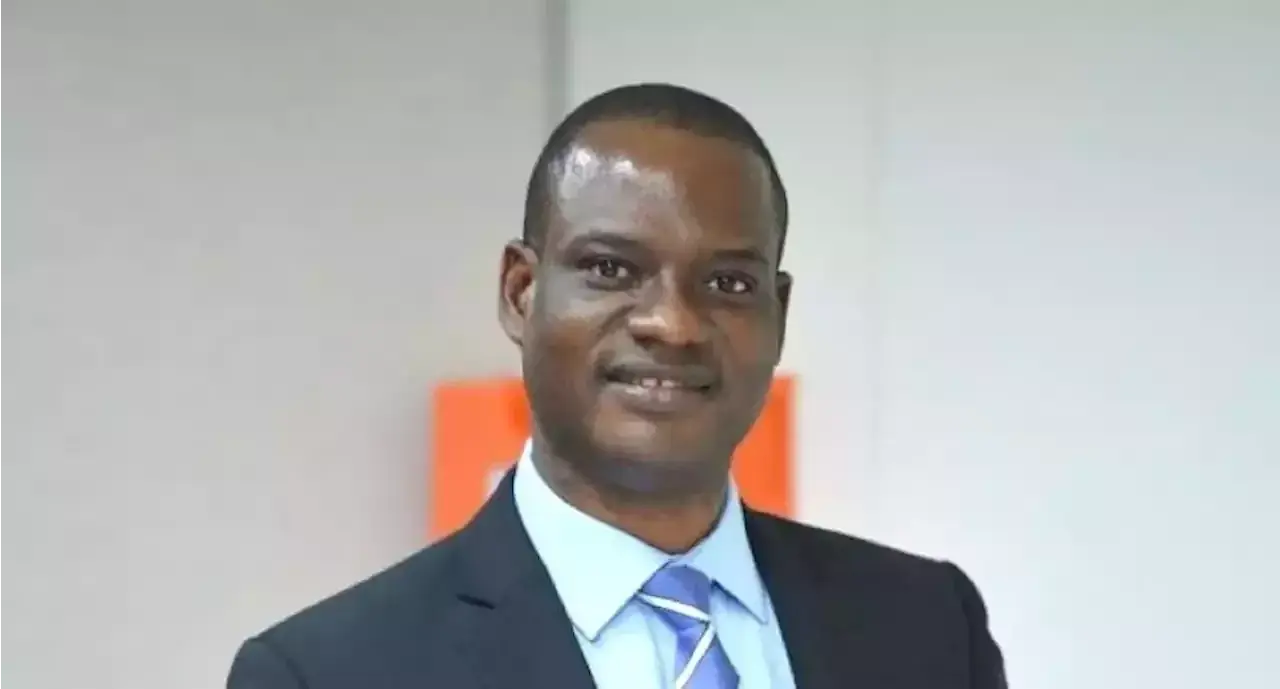
The Chairman of the Presidential Committee on Fiscal Policy and Tax Reforms, Taiwo Oyedele, has clarified that President Bola Tinubu’s administration did not introduce the 5% surcharge on fuel.
Oyedele, speaking on Channels Television’s The Morning Brief on Tuesday, explained that the law establishing the surcharge dates back to 2007.

“One very important message for people to know is that this surcharge was not introduced by this government. It was introduced in 2007,” Oyedele told Channels Television.
“And then it was not implemented because the government was subsidising fuel.”
In recent days, reports of a new 5% surcharge on fuel have circulated widely, sparking criticism over its perceived timing. The levy, which imposes a 5% charge on every litre of fuel purchased, has drawn backlash from Nigerians who fear its impact.
Oyedele clarified that the surcharge was not part of the tax reform bills signed into law by President Tinubu earlier this year.
“While we were doing this tax reform, it was not even in the original proposal, so it was not like the President proposed it to the National Assembly. But in the process of working on the bills, these issues came up, and then the decision was made that we should not have different agencies collecting taxes,” he explained.
He further noted: “So, the law that set up this surcharge mandated the Federal Road Maintenance Agency (FERMA) to collect this surcharge: 40% of it was to be for the Federal Government road, and 60% was meant to go to the states. Like I said, it was not implemented.”
Oyedele dismissed speculations that the levy would take effect in January, stressing there is no such indication.
Since the reports surfaced, civil society organisations and labour unions have strongly opposed the surcharge, urging the government to reconsider. The Trade Union Congress (TUC) has even threatened strike action, while the Organised Private Sector has also rejected the plan.
Despite this, Oyedele argued that the surcharge would ultimately benefit citizens by supporting the maintenance of the nation’s road infrastructure.