

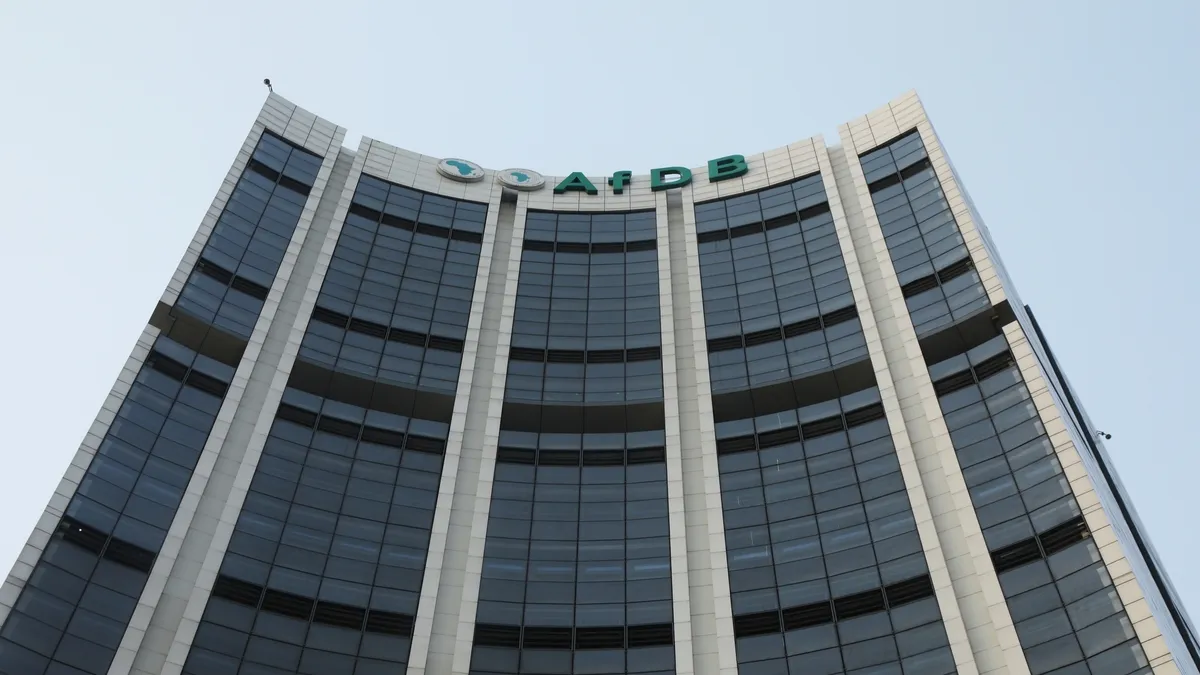
The African Development Bank (AfDB) Group has approved a $500 million loan for the federal government to support the second phase of its economic governance and energy transition support programme (EGET-SP).
EGET-SP is designed to accelerate improvements in Nigeria’s electricity infrastructure and broaden access to cleaner energy sources.

On August 24, 2022, the federal government unveiled Nigeria’s energy transition plan as its main strategy for achieving universal energy access by 2030 and a carbon-neutral economy by 2060.
The government said the plan targets energy poverty, addresses the climate crisis, and advances efforts to meet sustainable development goal seven (SDG7) by 2030 and net-zero emissions by 2060.
AfDB had earlier, on August 1, approved a separate $500 million loan to finance the first phase of the energy transition programme.
In a statement on Wednesday, AfDB said the policy-based operation covers fiscal years 2024 and 2025.
“The second phase of the programme aims to stimulate inclusive growth by accelerating structural reforms in the energy sector, while supporting progressive reforms of fiscal policy to boost non-oil revenues and expand fiscal space,” the bank said.
The lender outlined three key focus areas for the programme.
“First, the programme will deepen fiscal policy reforms by strengthening public financial management systems and enhancing the transparency and efficiency of public spending,” AfDB said.
“Second, it will accelerate the reform of the power engineering sector to reduce energy poverty, expand access to energy, improve sector governance, and attract private investment.
“Third, it will support implementation of the energy transition plan through measures that promote climate change adaptation and mitigation, including the introduction of energy-efficiency standards for electrical appliances.”
The bank added that Nigeria’s nationally determined contribution (NDC) will be updated for the 2026–2030 period.
According to the statement, the programme’s direct beneficiaries include the Federal Ministry of Power, the Federal Ministry of Finance, the Federal Inland Revenue Service, the Office of the Auditor General, the Debt Management Office, the National Climate Change Council of Nigeria (NCCC), the Federal Ministry of the Environment, the Nigerian Electricity Regulatory Commission (NERC), and other agencies involved in economic and social policy.
The bank noted that private-sector players will also benefit through an improved investment climate and greater opportunities in the energy sector across different states, alongside a more enabling environment for public-private partnerships.
As of October 31, 2025, AfDB’s active portfolio in Nigeria consisted of 52 projects valued at $5.1 billion.
Commenting on the approval, Abdul Kamara, director-general of the AfDB office in Nigeria, said the second phase will strengthen and build upon the progress achieved in the first phase.