

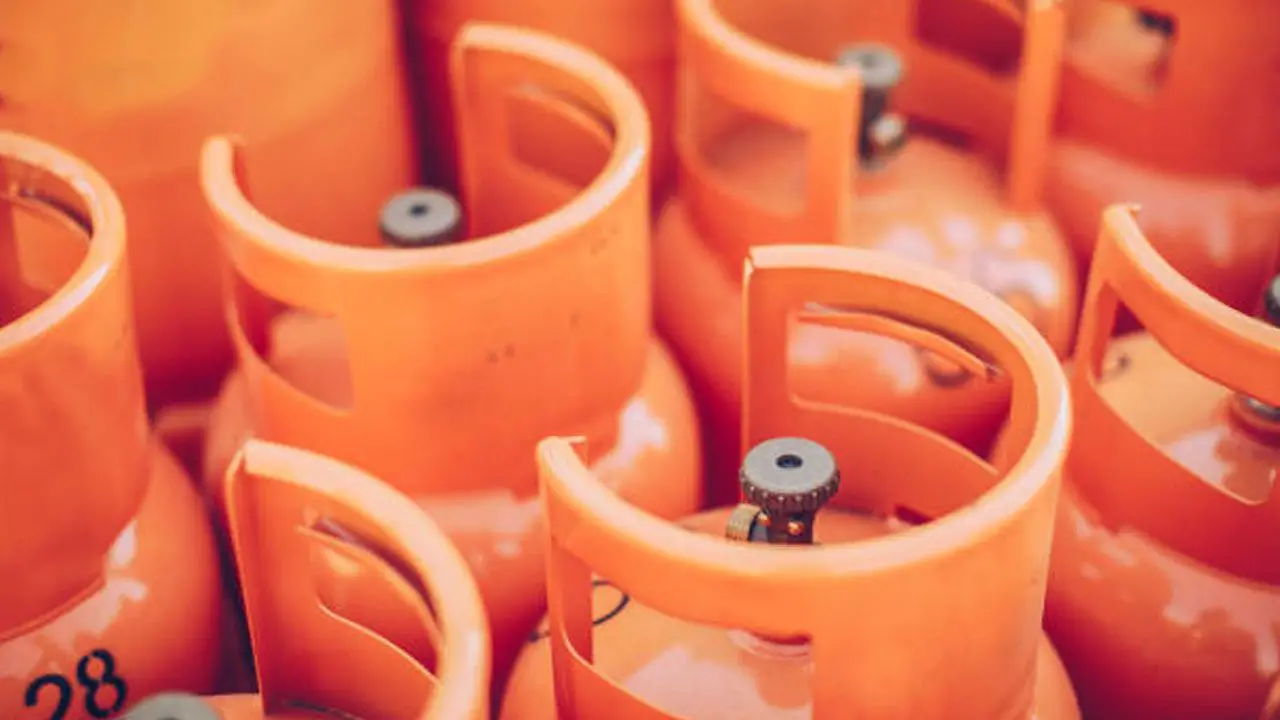
Cooking gas prices surge as global energy markets rattle over US-Israel–Iran conflict
Consumers of liquefied petroleum gas (LPG), commonly known as cooking gas, are beginning to feel the impact of soaring global oil and gas prices triggered by the US-Israeli war on Iran, which has disrupted energy exports from the Middle East.
Prices spiked on Tuesday after Tehran attacked vessels and energy infrastructure, effectively shutting navigation in the Gulf and forcing production cuts from Qatar to Iraq.

The benchmark Brent crude contract climbed by $3.66, or 4.7 per cent, to settle at $81.40 per barrel — its highest closing level since January 2025.
European gas prices surged by as much as 40 per cent before easing slightly, compounding a similar 40 per cent rise recorded on Monday.
Iraq, OPEC’s second-largest oil producer, warned it could be compelled to slash output by more than three million barrels per day within days if oil tankers are unable to access loading terminals, according to two Iraqi oil officials.
By Tuesday, Iraq had already reduced production at the Rumaila oilfield by 700,000 barrels per day and cut a further 460,000 barrels per day from the West Qurna 2 field, the officials disclosed.
Despite holding vast natural gas reserves, Nigeria continues to import a sizeable share of its cooking gas. As of late 2024, between 20 and 47 per cent of LPG consumed domestically was sourced from imports.
Although Nigeria is a net gas producer, it has historically relied on imports for at least half of its cooking gas supply, with significant volumes arriving from the United States and Equatorial Guinea.
While figures from early 2025 suggested domestic production accounted for up to 80 per cent of supply, imports remain necessary to bridge shortfalls.
Given that a considerable proportion of LPG is imported — and locally produced volumes are priced against international benchmarks — domestic prices are highly sensitive to foreign exchange movements and global market dynamics.
Local depot operators have now increased cooking gas prices by an average of ₦100 per kilogram.
Nipco Plc, one of the country’s largest LPG distributors, is selling at ₦950 per kilogram. Navgas Limited has set its price at ₦900, while Techno Oil Limited is offering supplies at ₦885 per kilogram.
These adjustments mark a sharp rise from the previous market average of about ₦800 per kilogram.
Nigeria’s Bonny Light crude, the nation’s benchmark export grade, rose to $80 per barrel from $70 — its highest level since July 2025, according to market data monitored by Channels Television.
Brent crude, the global benchmark, has since advanced to $84 per barrel from $72.87. Murban crude increased to $81.05 from $74.24, while West Texas Intermediate — the US benchmark — jumped to $72.24 per barrel from $62, recording one of its steepest single-session gains in recent times.
The escalation follows the effective closure of traffic through the Strait of Hormuz for a fourth consecutive day after Iran attacked five vessels, constricting a vital route responsible for roughly 20 per cent of global oil and LNG supplies.
Crude tanker movements through the strait dropped to just four vessels on 1 March — the day after hostilities erupted — compared with an average of 24 per day since January, according to Vortexa tracking data. Three of the four ships were Iranian-flagged.
Hundreds of oil and LNG tankers are now stranded near major hubs, including the UAE’s Port of Fujairah, unable to deliver cargoes to customers across Asia, Europe and other regions.
Some firms are reportedly exploring alternative shipping routes.
On Monday, Qatar suspended operations at its liquefied natural gas facilities — among the largest globally — which account for around 20 per cent of worldwide LNG exports.
Freight charges have also soared to record highs as the conflict intensifies and Tehran continues to target vessels transiting the Strait.
Data from the Nigerian Midstream and Downstream Petroleum Regulatory Authority (NMDPRA) shows that 52,900 metric tonnes of cooking gas were supplied to the domestic market in 2025. Of this total, 45,800 metric tonnes — representing 87 per cent — were produced locally, while 7,100 metric tonnes, or 13 per cent, were imported.
Meanwhile, as Western security analysts attempt to gauge the scale of Iran’s remaining missile and drone capabilities, Saudi Arabia, the United Arab Emirates, Oman and Kuwait have so far intercepted the majority of projectiles aimed at energy infrastructure, ports and airports.
However, concerns are growing over whether their anti-drone and anti-missile stockpiles may eventually be depleted if hostilities persist.