

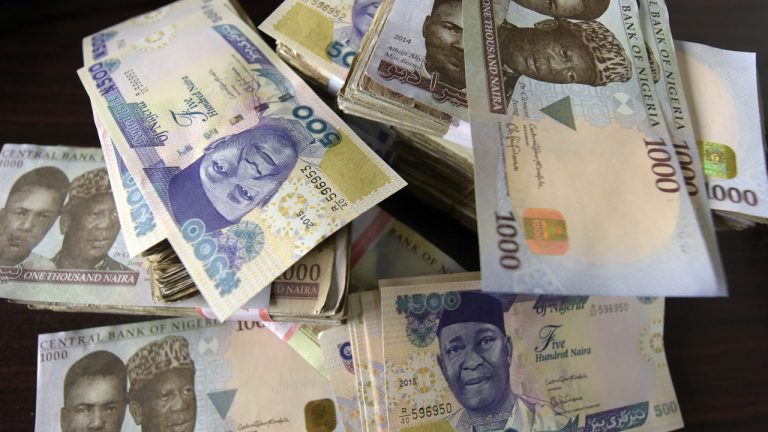
The Nigerian naira opened the second full trading week of March 2026 with a slight depreciation against the US dollar on Monday, March 9. Data from the Nigerian Foreign Exchange Market (NFEM) and parallel market sources show the local currency experiencing moderate fluctuations as corporate demand increases at the start of the month.
Official market performance (NFEM)
At the official NFEM window, the naira began trading at ₦1,384.74 per dollar during the early morning session. As trading progressed and participants adjusted their positions, the rate gradually shifted to ₦1,391.83 by mid-morning. By 5:30 a.m. WAT, the exchange rate stabilised at around ₦1,391.58 per dollar.

The development follows a closing rate of ₦1,398.00 recorded on Friday, March 6. Despite the mild intraday movements, the market continues to show improved transparency.
Authorised dealers say the Central Bank of Nigeria (CBN) remains focused on maintaining liquidity in the market to meet the needs of manufacturers and institutional investors. This approach has helped prevent the sharp and unpredictable currency swings seen in previous years.
Parallel market trends
The parallel market has remained largely aligned with the official exchange window, reflecting the impact of the central bank’s exchange rate harmonisation policy.
In major trading centres such as Lagos, Kano and Abuja, the dollar is currently being exchanged between ₦1,400 and ₦1,410.
The difference between the official rate and the “black market” rate remains narrow, estimated at between 1 and 1.5 per cent.
Traders say Mondays usually witness increased retail demand for foreign currency, particularly for travel and small business transactions. However, the steady supply of foreign exchange through Bureau De Change (BDC) operators has helped reduce speculative demand.
Key economic drivers
Several macroeconomic factors are shaping the exchange rate outlook:
Strong external reserves: Nigeria’s foreign reserves recently exceeded $50 billion, giving the CBN greater capacity to defend the naira and manage market liquidity.
Declining inflation: Headline inflation has eased to 15.10 per cent in recent reports, improving the real value of the naira and boosting investor confidence.
Oil sector stability: Crude oil production has remained steady at around 1.46 million barrels per day, ensuring consistent foreign exchange earnings.
Improved trade balance: A narrowing trade deficit and increased domestic refining capacity are helping reduce pressure on the foreign exchange market.
Market analysts expect the naira to trade within the ₦1,385 to ₦1,400 range during the session. Attention will also be on daily market turnover and any new policy signals from fiscal authorities regarding economic stabilisation.