

The Federal Government has taken steps to establish a dedicated medical institution for the Nigerian Armed Forces to train doctors, nurses and other healthcare specialists, with the first set of students expected to resume in the 2026 academic session.
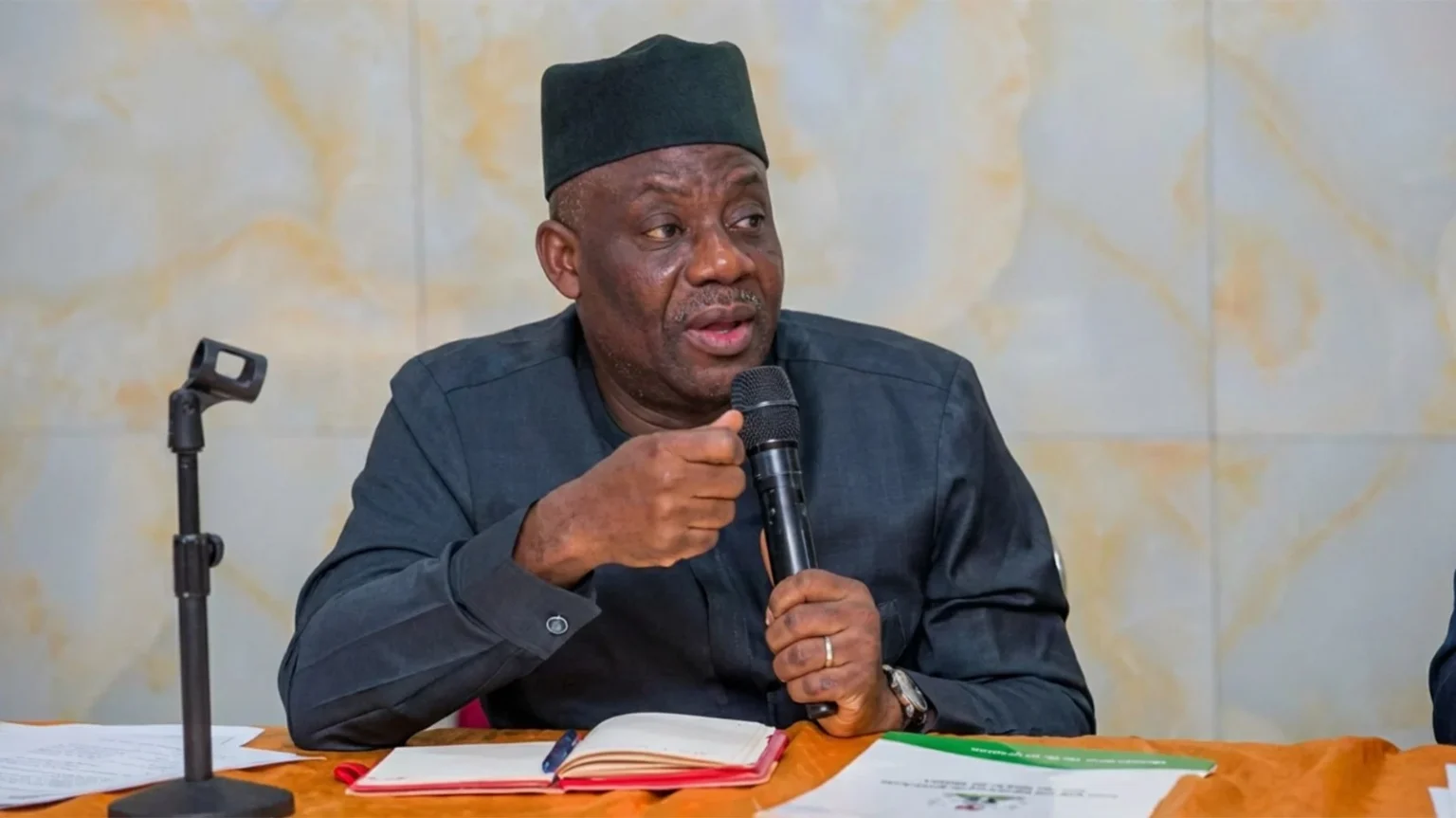
Speaking in Abuja on Friday, the Minister of Education, Olatunji Alausa, inaugurated a Technical Working Group responsible for driving the establishment of the Armed Forces College of Medicine and Health Sciences.

According to the minister, the proposed college is aimed at building a steady supply of medical professionals for the military, reducing its dependence on civilian universities for healthcare personnel.
He described the initiative as a key investment in the country’s security and healthcare systems, saying the project has moved from planning to execution.
“We cannot continue to leave the brave men and women who defend our nation without a sustainable system for training the healthcare professionals they require. Neither can we continue to expect the Armed Forces to compete with the rest of the country for the limited number of doctors graduating from our universities,” Alausa said.
He explained that graduates of the institution would receive specialised training tailored to the demands of military operations, enabling them to provide medical support during combat and other security operations.
Highlighting ongoing reforms in the education sector, the minister said admissions into medicine and dentistry programmes have more than doubled, while nursing enrolment has also recorded significant growth under the current administration.
Despite the expansion, he maintained that the Armed Forces require their own specialised institution to meet their unique healthcare demands.
“This institution is not being established to compete with conventional universities. It is being established to make the Armed Forces self-sufficient in producing the healthcare professionals they require.
“Every programme should answer one simple question. Does the Armed Forces need it? If the answer is yes, then it should be prioritised,” he added.
Alausa directed the committee to ensure the college offers programmes such as Occupational Therapy and Speech Therapy alongside other specialised courses needed for treating and rehabilitating wounded military personnel.
The Technical Working Group, made up of representatives from key education, defence and regulatory agencies, has been tasked with developing the academic curriculum, securing accreditation, integrating military and academic training and ensuring the institution is ready to admit its first students in 2026.
The minister also disclosed that arrangements are already underway with the Joint Admissions and Matriculation Board to include the college on its admission platform, while the National Universities Commission has been asked to speed up the accreditation process.
Chairman of the committee, Major General Idris Babatunde Solebo, said the college will adopt the training model of the Uniformed Services University in the United States, where students combine military education with professional medical training.
He noted that the institution will be based at the Nigerian Army Reference Hospital in Kaduna and revealed that the Armed Forces are currently facing a medical workforce shortage estimated at 93 per cent, making the project a priority for strengthening military healthcare services.
