

The Federal Government has taken steps to address inconsistencies in economic projections across Ministries, Departments and Agencies by establishing a high-level inter-agency committee to harmonise macroeconomic assumptions used for national budgeting and economic planning.
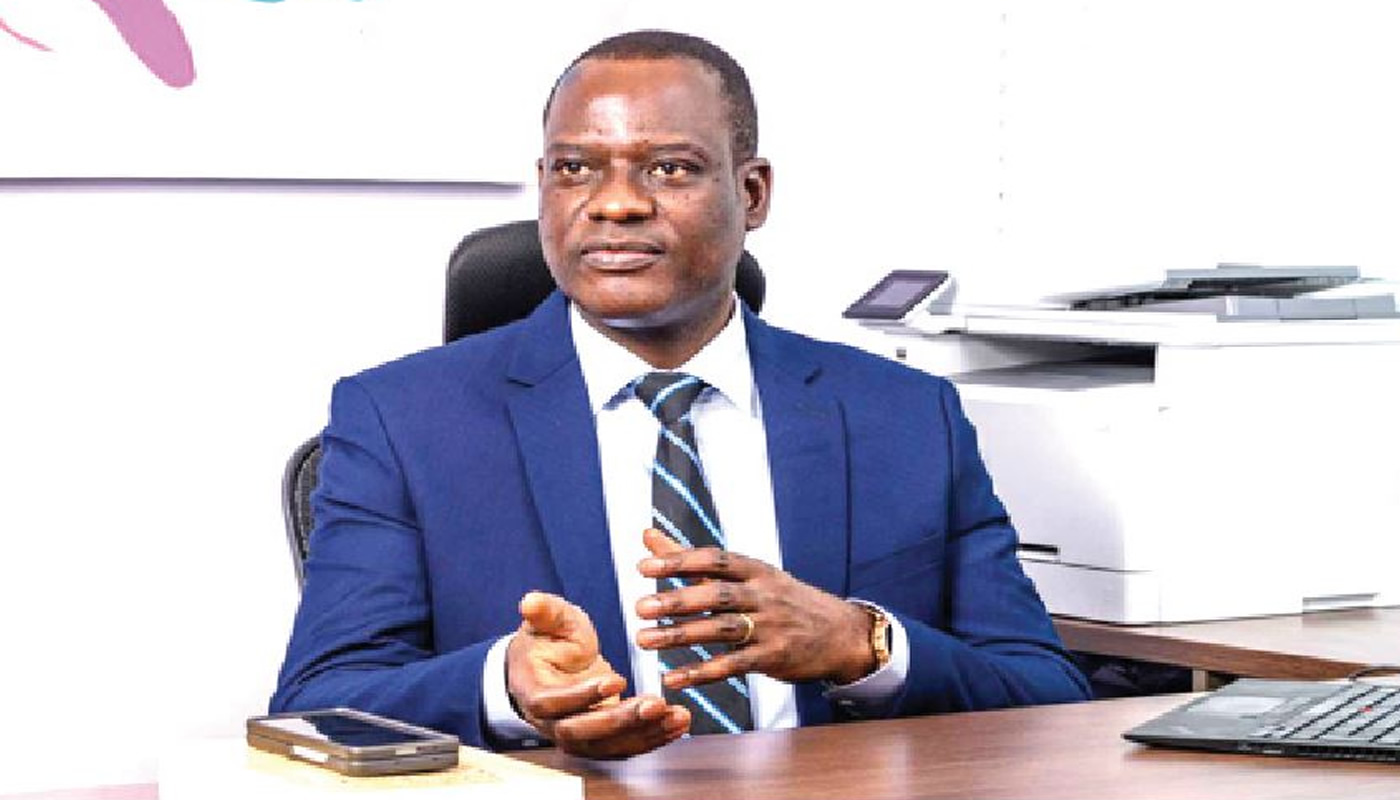
The decision emerged as one of the key resolutions from a meeting of the Economic Management Team held in Abuja and chaired by the Minister of Finance and Coordinating Minister of the Economy, Mr Taiwo Oyedele.

The newly constituted committee will work to standardise major economic assumptions, including crude oil prices and production targets, exchange rates, inflation and non-oil revenue forecasts used by fiscal and monetary authorities.
The move is aimed at strengthening budget credibility and improving coordination between the country’s economic policymakers.
According to a statement from the Ministry of Finance, the decision followed observations from a joint budget retreat and technical validation workshop, which linked part of Nigeria’s budget underperformance to varying macroeconomic assumptions adopted by different government institutions.
The committee will also work to resolve differences in the reporting of major economic indicators by government agencies and in information communicated to investors, development partners and the public.
The Economic Management Team also approved reforms to strengthen its operations, including regular assessments of macroeconomic performance, improved coordination between fiscal and monetary policies, monitoring of the Renewed Hope Agenda and periodic reviews of the Federal Government’s financing requirements.
Under the new arrangement, the EMT will hold meetings monthly rather than intermittently. The Federal Ministry of Finance has also been assigned responsibility as the coordinating custodian of Nigeria’s official economic data, while relevant agencies will provide sector-specific information for harmonised public communication.
The Team expressed confidence in the country’s improving economic indicators, noting that Nigeria’s Gross Domestic Product grew by 4.43 per cent year-on-year in the second quarter of 2026, representing its strongest quarterly expansion since the third quarter of 2024.
It also highlighted the rise in Nigeria’s external reserves to more than $54 billion, described as the highest level in nearly 18 years, as well as the appreciation of the naira to around N1,300 to the dollar, its strongest position in about two years.
The EMT further pointed to Nigeria’s return to FTSE Russell’s Frontier Market Index, effective September 21, 2026, describing the development as a significant boost to investor confidence and the global visibility of the country’s capital market.
According to the Team, Nigeria’s public debt remains below 40 per cent of GDP, while Moody’s recently revised the country’s sovereign credit outlook from stable to positive.
The meeting also considered plans to strengthen agriculture as a major contributor to the Federal Government’s target of building a $1 trillion economy by 2030.
Key measures include cutting post-harvest losses, increasing mechanisation and agro-processing, improving export compliance, recapitalising the Bank of Agriculture, establishing a new credit window for smallholder farmers and increasing agriculture’s share of private sector credit to 10 per cent by 2030.
The Team also reviewed preparations for Nigeria to host the Creative Africa Nexus 2026 and the Intra-African Trade Fair 2027 in Lagos. It directed the Ministry of Finance to coordinate funding and customs-related support alongside the Ministry of Industry, Trade and Investment.
Speaking on the resolutions reached at the meeting, Oyedele said, “Today’s decisions tighten the link between the numbers we plan with and the actual outturns. A single, harmonised set of assumptions across the fiscal and monetary authorities means fewer surprises in the budget and more credible planning for investors and all Nigerians.”
