Nigeria has recorded a major diplomatic victory at the 39th African Union Summit after securing a permanent seat on the board of the African Central Bank.
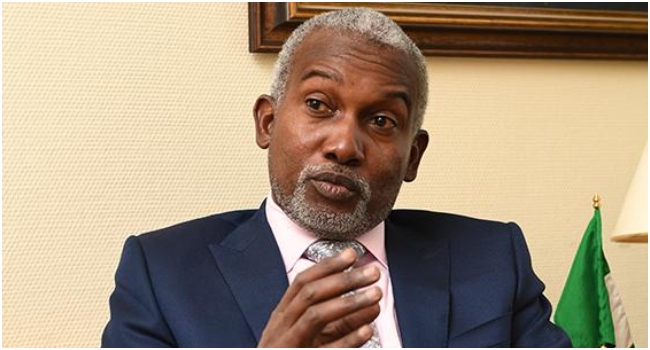
Minister of Foreign Affairs, Yusuf Tuggar, confirmed the development on Friday, describing it as a significant milestone for Nigeria and the wider West African region.
He announced that Nigeria will host both the African Monetary Institute and the African Central Bank, adding that the country’s confirmation to the bank’s board was endorsed during plenary despite initial resistance from some member states.
“This is huge. It is something that was initially resisted by some countries, so now we have a permanent seat on the African Central Bank board. It’s a major success,” Tuggar said.
This year’s summit, held under the theme “Assuring Sustainable Water Availability and Safe Sanitation Systems to Achieve the Goals of Agenda 2063,” focuses on strengthening commitments to sustainable water management and improved sanitation as part of the AU’s long-term development blueprint.
Beyond financial governance, Nigeria and the West African bloc also made progress in elections to the Peace and Security Council, the AU’s highest decision-making body on conflict and security matters. Côte d’Ivoire, Sierra Leone and the Republic of Benin secured seats on the council, with Benin winning a fresh term and the other two countries re-elected.
The Peace and Security Council also deliberated on the situations in Sudan and Somalia. Tuggar said Nigeria expressed strong reservations about Sudan’s possible readmission into the continental body, citing the ongoing conflict between rival factions.
He stressed that the AU must adhere strictly to its rules, particularly regarding unconstitutional changes of government, and said the council upheld that position.
The summit also outlined water sustainability as its 2026 theme. Tuggar emphasised Nigeria’s strategic importance in advancing that agenda, noting the country’s demographic weight and geographical identity shaped by the confluence of the River Niger and River Benue.
He highlighted Nigeria’s current population of about 230 million people and projected growth to 400 million within the next 24 years, underscoring the importance of water security to national and continental development.
Meanwhile, Nigeria’s delegation received a boost with the arrival of Vice President Kashim Shettima, who is expected to participate in high-level plenary sessions.
Toyibat, armed with an MSc degree in Mass Communication from University of Lagos, is a result-driven media and education professional blending journalism, teaching, and research to engage, inform, and inspire through creative storytelling