

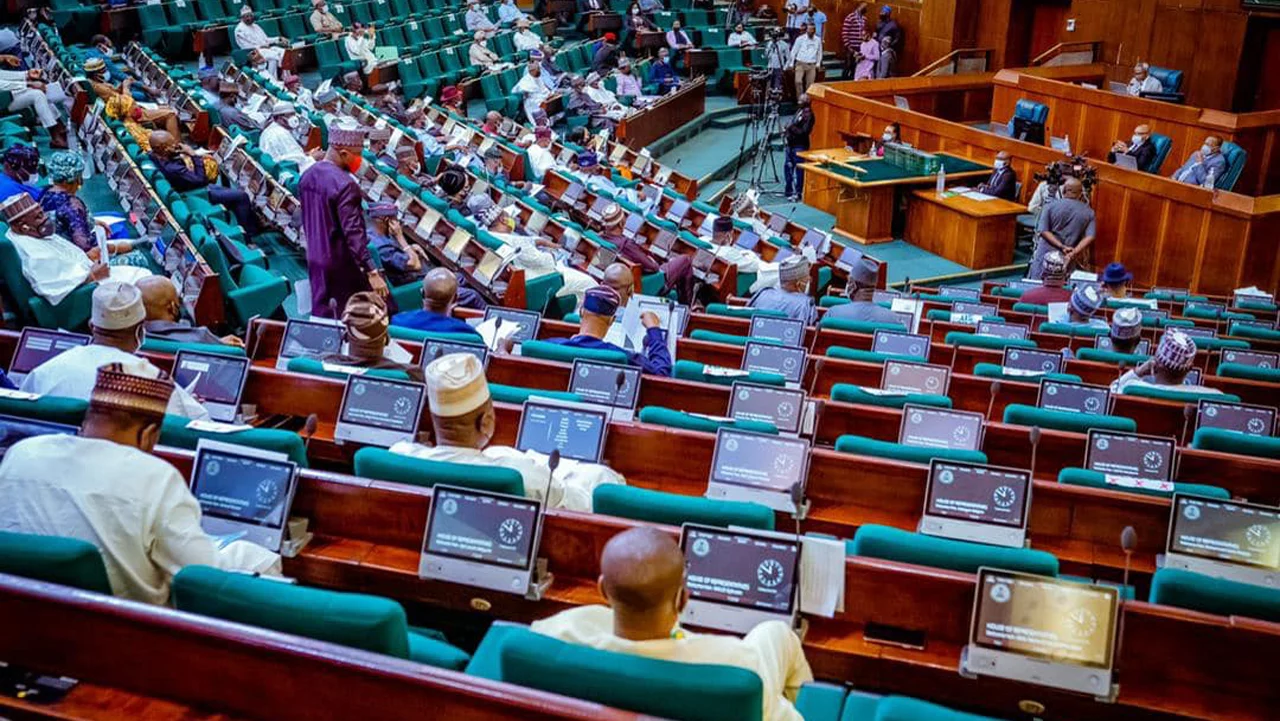
The House of Representatives Nigeria on Tuesday strongly denounced the recent surge in xenophobic attacks targeting Nigerians in South Africa, urging the Federal Government to take swift diplomatic and protective action.
The resolution followed the adoption of a motion of urgent public importance moved by Donald Ojogo (APC, Ondo) and seconded by Billy Osawaru (APC, Edo) during plenary presided over by Deputy Speaker Benjamin Kalu.

Lawmakers called on the Ministry of Foreign Affairs to immediately begin diplomatic engagement to stop the killings, while also urging the administration of Bola Ahmed Tinubu to initiate evacuation plans for Nigerians willing to return home.
They further recommended a reassessment of bilateral relations between Nigeria and South Africa, including the temporary suspension of business permits for South African companies operating in Nigeria.
Speaking on the motion, Ojogo described the scale and pattern of the attacks as deeply concerning.
“The fresh xenophobic violence currently ravaging South Africa has reached an alarming rate to the extent that Nigerian nationals in that country are being selectively targeted,” he said.
According to him, “The House is worried that the lives of two Nigerians, Ekpenyong Andrew and Amaramiro Emmanuel, were killed in separate incidents linked to rising anti-foreigner tensions.
“We are worried that Andrew was arrested on April 19 2026, in Pretoria, following an alleged altercation with officials of the Tshwane Metro Police. His body was later discovered at the Pretoria Central Mortuary, while Emmanuel died from injuries sustained after being beaten by personnel of the South African National Defence Force on April 20, 2026.
“We are concerned that both incidents were shocking as they involved South African Security personnel. The killings came amid escalating xenophobic hostility, with a viral video showing threats, intimidation, and attempts by mobs to target foreign nationals.
‘The House is also disturbed that the targeted attacks against Nigerian nationals are a demonstration of ingratitude, especially taking into cognisance of the roles of Nigeria in the struggle against apartheid in South Africa. The trajectory in South Africa is a recipe for anger and reprisals in Nigeria, and there is a need to prevent such.”
Seconding the motion, Osawaru emphasised the urgency of intervention, warning that continued inaction could worsen conditions for Nigerians residing in South Africa.
Following deliberations, the House mandated its Committee on Foreign Affairs and other relevant committees to collaborate with the Nigerian High Commission in Pretoria to establish a 24-hour emergency response desk and a legal aid fund for affected citizens.
Lawmakers also urged the Federal Government to design and publicise a comprehensive evacuation contingency plan for Nigerians in volatile areas, including financial and logistical assistance for those willing to return.
They further directed the Ministry of Foreign Affairs to “immediately summon the South African High Commissioner to Nigeria to convey Nigeria’s displeasure and demand a halt to the attack on Nigerians in South Africa, while demanding concrete/time-bound guarantees for the safety of Nigerians.”
The House added that Nigeria should review all bilateral agreements with South Africa, “including trade and aviation treaties, targeted economic measures, including temporary suspension of issuance of business permits to new South African companies, and a review of tax incentives enjoyed by existing South African firms in Nigeria, pending demonstrable steps by South Africa to halt these attacks, prosecute perpetrators and compensate victims.”
Xenophobic violence in South Africa has remained a recurring source of diplomatic strain across Africa, particularly with Nigeria. Major outbreaks in 2008, 2015, and 2019 saw foreign nationals—many of them Nigerians—targeted in widespread attacks on homes, shops, and businesses.
The violence is often linked to economic hardship, high unemployment, and perceptions among some South Africans that foreign nationals are competing for limited opportunities. Narratives around criminality have also contributed to stigmatising migrants and fuelling hostility.
Nigeria has historically responded strongly to such incidents, at times recalling envoys, evacuating citizens, and lodging diplomatic protests. The issue remains sensitive given Nigeria’s role in supporting South Africa during the anti-apartheid struggle through financial and diplomatic backing of liberation movements.
The latest developments, particularly those allegedly involving security personnel, have heightened concerns in Abuja over the safety of Nigerians abroad and the effectiveness of existing bilateral arrangements.
With tensions rising again, the House’s position reflects growing pressure on the Federal Government to move beyond condemnation and adopt firmer diplomatic and protective measures.
