
Thiefs in the Government House: Why Dividends of Democracy Continue to Elude the Grassroots in Nigeria, By Kunle Sodipo

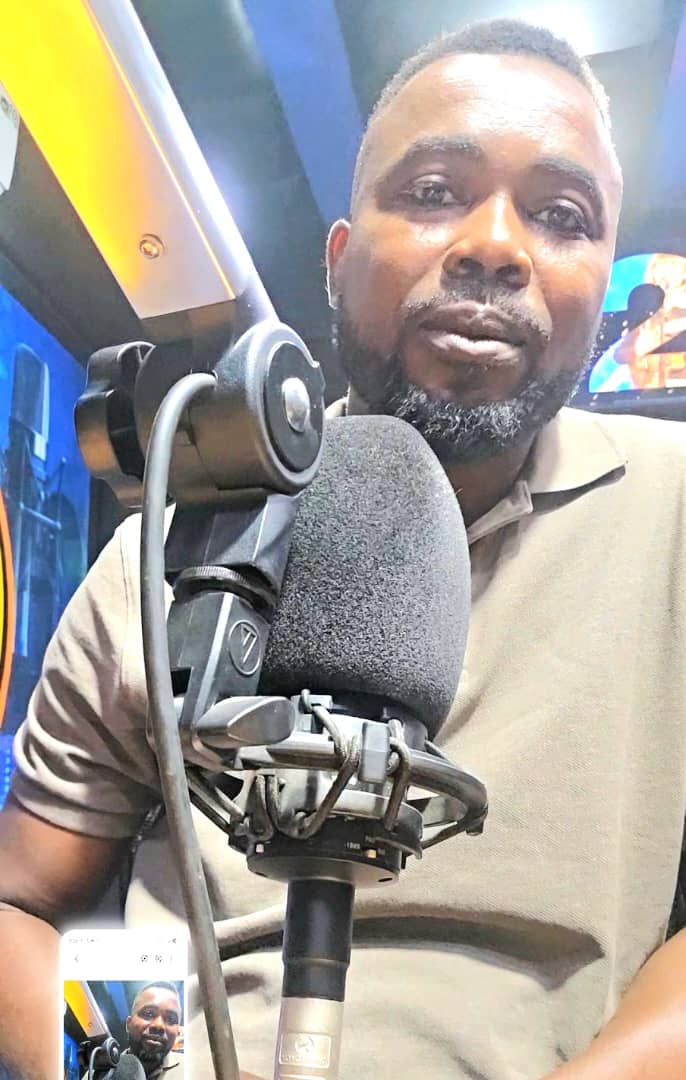
By: Comrade Amb. Kunle Sodipo FICSSM,MNIMN,ANIPR
In the land of plenty, where oil flows like water and resources abound, the majority of Nigerians wallow in abject poverty, struggling to make ends meet. The irony is stark: a nation blessed with immense wealth, yet its people are denied the basic necessities of life. The culprits? Thiefs in the government house, looting the treasury with impunity, while the grassroots suffer. The cries of desperate citizens, the anguish of a neglected nation, and the shame of a democracy that has failed its people are all too real. It’s time to call out the thieves in the government house and demand accountability.

The Rot in the System
Corruption, embezzlement, and mismanagement have become endemic in Nigeria’s government. Public officials, elected and appointed, have turned the people’s house into their personal ATM, bleeding the nation dry. The consequences are devastating:
– Poverty and Inequality: Over 70% of Nigerians live below the poverty line, with millions struggling to access basic amenities like healthcare, education, and sanitation.
– Decaying Infrastructure: Roads are crumbling, schools are under-resourced, and hospitals lack equipment and staff.
– Economic Stagnation: The economy is stunted, with unemployment and inflation soaring.
The Faces of Corruption
– Politicians: Elected officials who prioritize personal gain over public service, lining their pockets with stolen funds meant for development projects.
– Civil Servants: Bureaucrats who exploit their positions for personal enrichment, sabotaging systems and processes to facilitate corruption.
– Security Agencies: Elements within the security apparatus who extort, intimidate, and exploit vulnerable citizens.
Why the Grassroots Suffer
The consequences of corruption are felt most acutely at the grassroots:
– Lack of Access to Basic Services: Rural areas are neglected, with limited access to healthcare, education, and clean water.
– Unemployment and Poverty: Job opportunities are scarce, and economic growth is stunted.
– Insecurity: Inadequate security provision leaves communities vulnerable to bandits, kidnappers, and terrorists.
Breaking the Cycle of Corruption
To break this cycle, Nigeria needs a multifaceted approach:
– Strong Institutions: Independent judiciary, free press, and robust anti-corruption agencies.
– Transparency and Accountability: Open government, citizen engagement, and whistleblower protection.
– Leadership by Example: Leaders who prioritize the people, not personal gain.
– Citizen Participation: Active citizenship, community engagement, and demand for accountability.
– Technological Innovation: Harnessing technology to enhance transparency, accountability, and service delivery.
The Time is Now
Nigeria stands at a crossroads. The status quo is unsustainable. The people demand change. It’s time to take back our nation, hold our leaders accountable, and build a society that values the dignity of every human being. The thieves in the government house must be called to account. The grassroots deserve better. The future is now.
Join the Fight Against Corruption!
– Demand accountability from your elected officials
– Report corruption to the relevant authorities
– Engage in community development initiatives
– Support anti-corruption organizations
– Use social media to raise awareness about corruption
Together, we can create a Nigeria that works for all.
What do you think is the most effective way to tackle corruption in Nigeria?
About the Author
A seasoned professional with expertise in security, marketing, and public affairs. Comrade Kunle Sodipo (CKS) has embarked on a journey of meaningful public enlightenment, community reorientation and emancipation from mental and other forms of slavery. As a licensed security consultant, author and member of highly respected professional bodies in Nigeria, he drives strategic communication and brand growth, promoting transparency, accountability, and good governance in Africa. He is always interested and available for impactful public engagements, lectures, trainings and projects that requires contributions from thoroughbred experts.
Contact: [email protected] +2348033823808, +2348052606422
Note: The views expressed in this article are the author’s own and do not necessarily reflect the views of any organization or institution he is affiliated with.
