

For one unforgettable night, football became the world’s common language as millions of fans across continents tuned in to watch Paris Saint-Germain and Arsenal battle for European glory in the UEFA Champions League final.
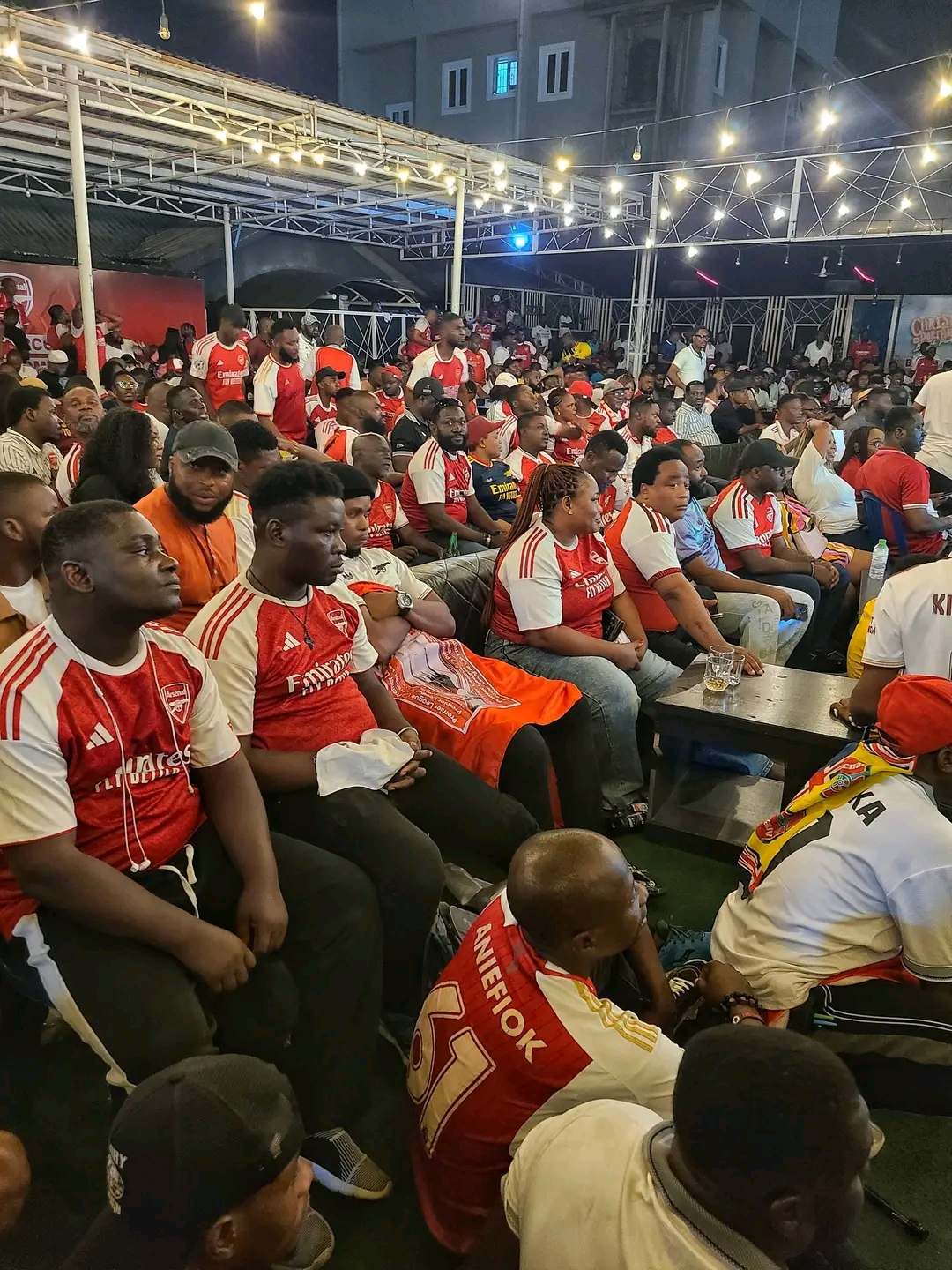
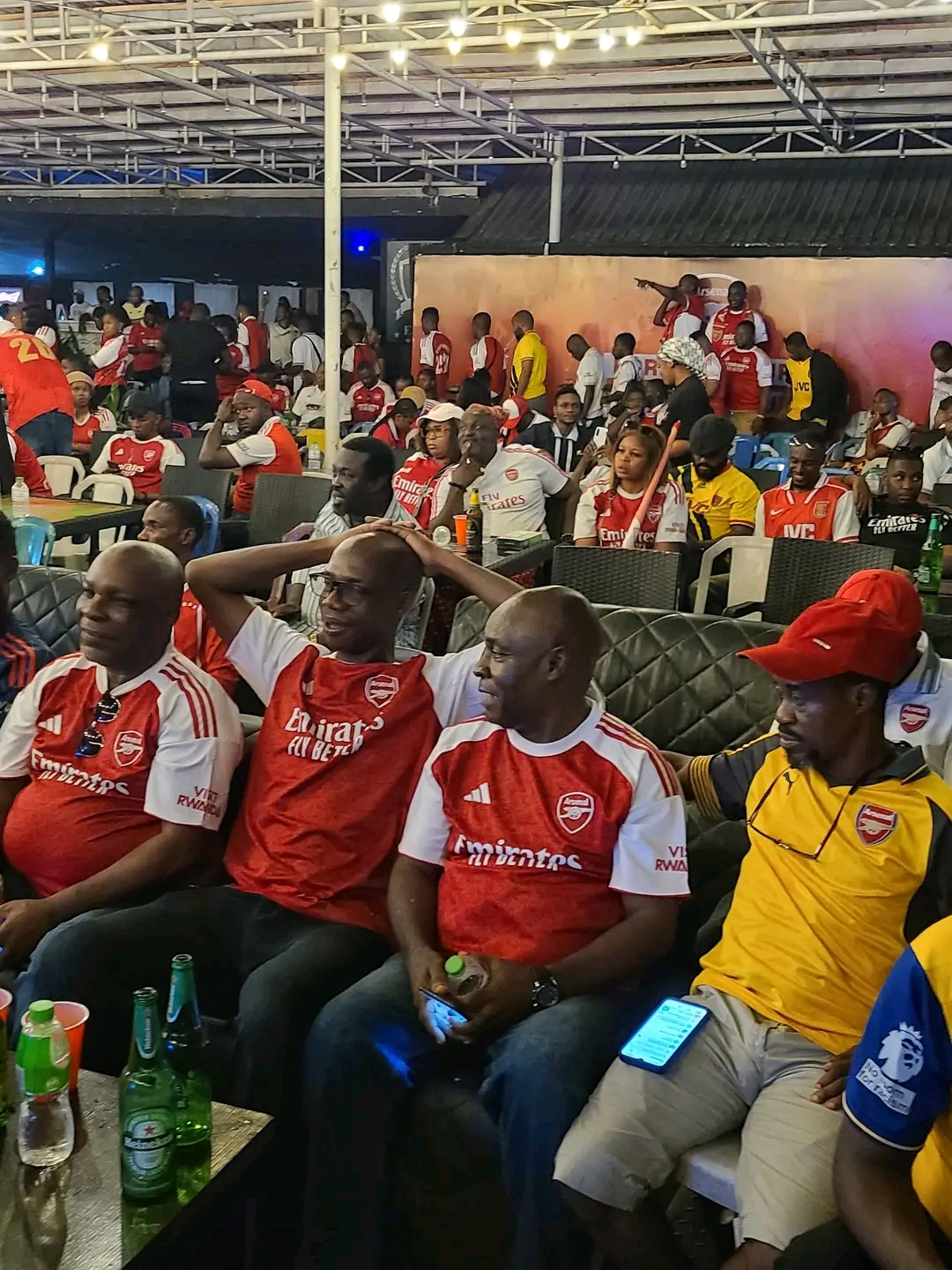
From packed viewing centres in Lagos and Accra to crowded pubs in London and cafés in Paris, supporters gathered to witness a contest that transcended sport. Whether they were lifelong fans of PSG and Arsenal or simply lovers of the beautiful game, viewers shared the same emotions as the drama unfolded.

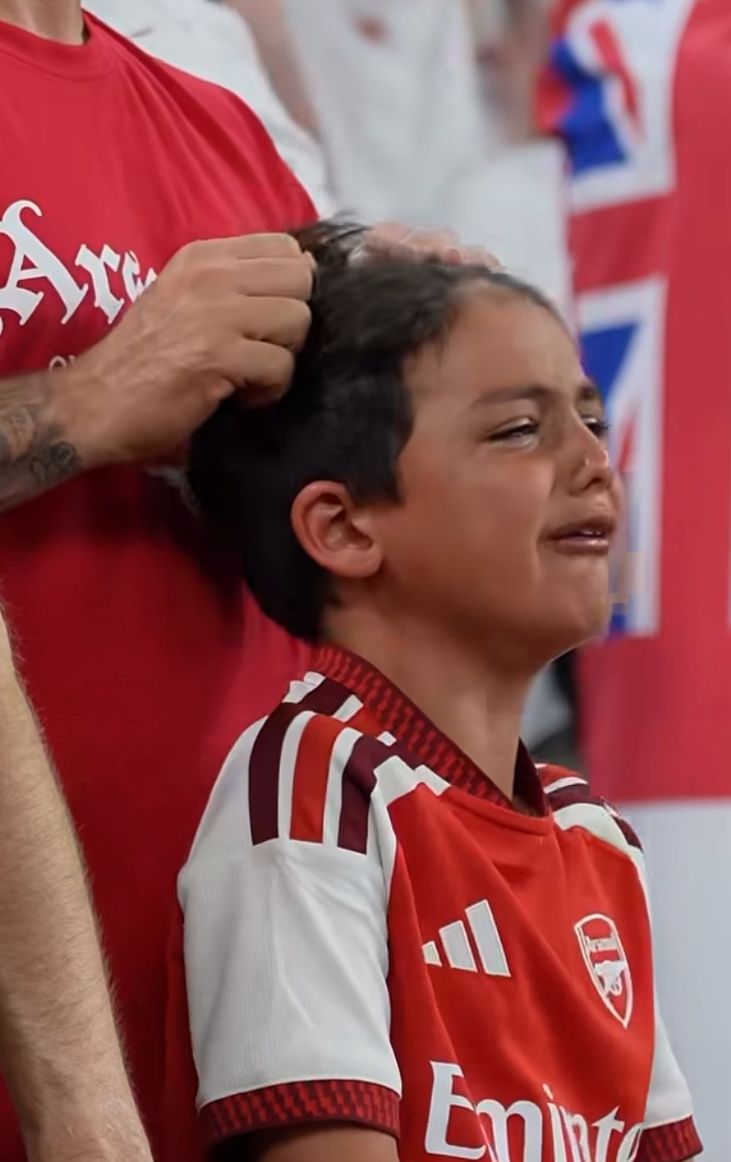
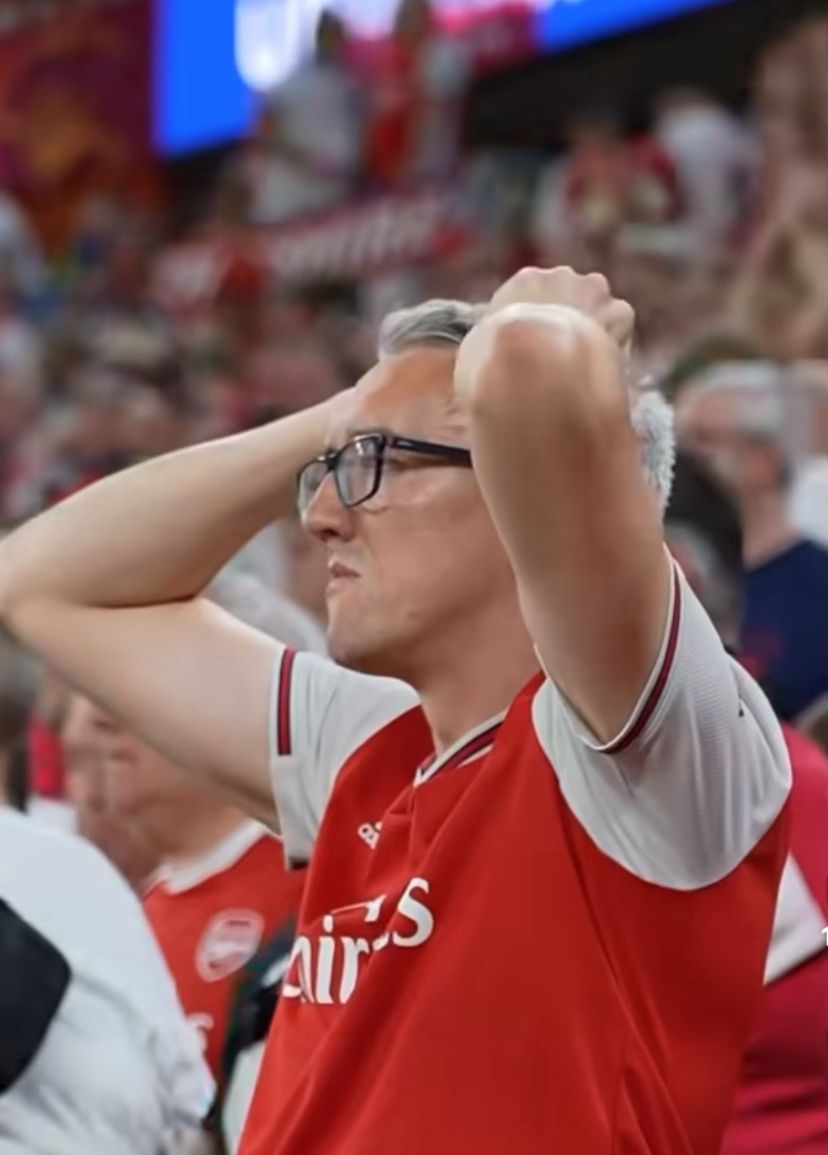
The final represented more than a clash between two of Europe’s elite clubs. It was a global occasion that brought together people of different nationalities, cultures and backgrounds. In homes, restaurants, sports bars and public viewing centres, strangers became friends for a few hours, united by a shared passion for football.
Arsenal’s journey to the final captured the imagination of supporters eager to see the North London club claim its first Champions League title. PSG, meanwhile, arrived as defending champions determined to reinforce their growing reputation among Europe’s footballing giants.
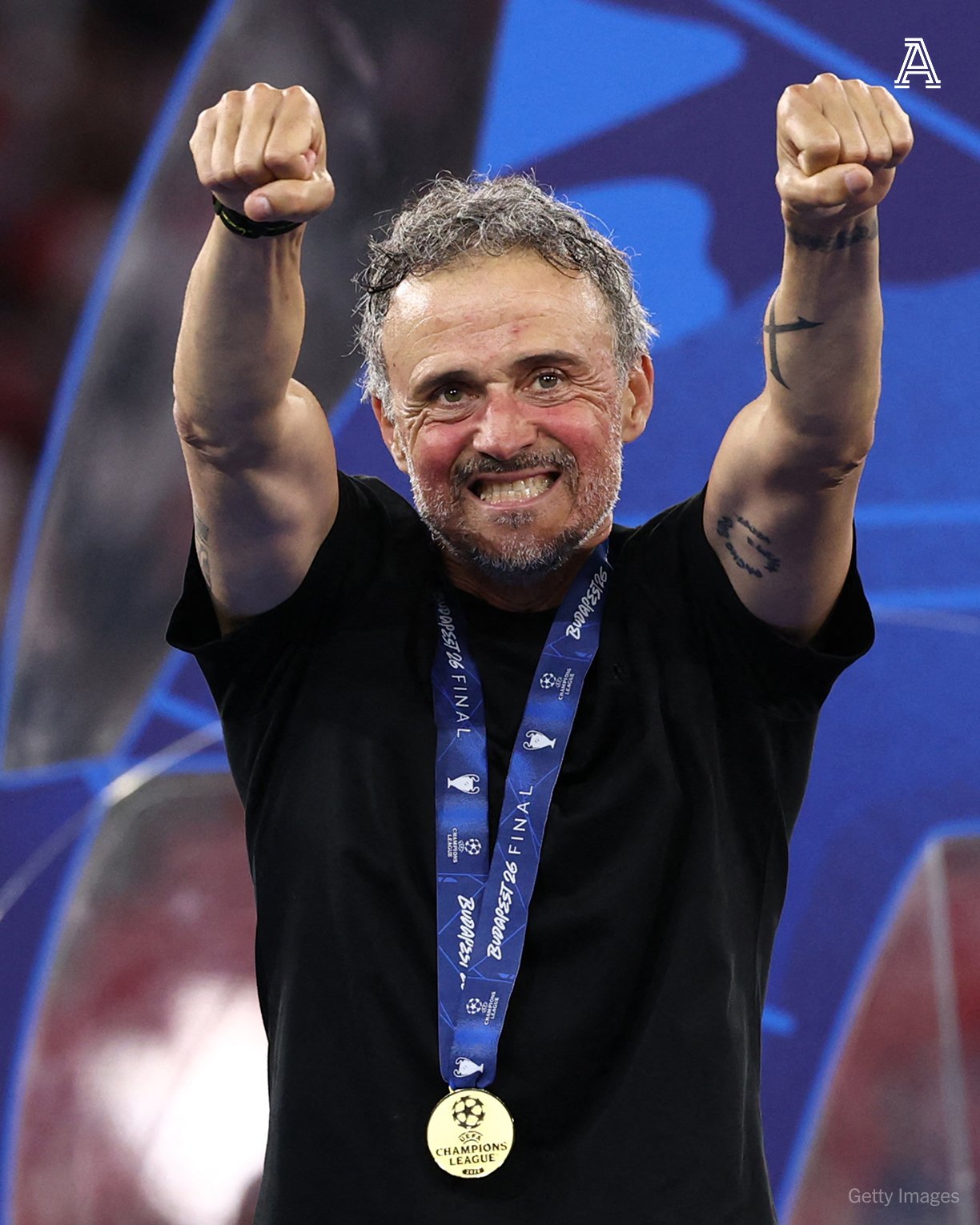
But the atmosphere extended far beyond the two sets of supporters. Fans of clubs such as Manchester United, Chelsea, Liverpool, Barcelona and Real Madrid also joined the conversation, cheering, teasing and debating throughout the evening. Social media became a playground of memes, predictions and friendly banter, with rival supporters eager to see how the final would unfold.
As the match progressed, social media platforms exploded with reactions from fans across the globe. Every attack, save and controversial decision sparked instant conversations stretching from Africa and Europe to Asia and the Americas. The digital age ensured that no fan was too far away to be part of the experience.
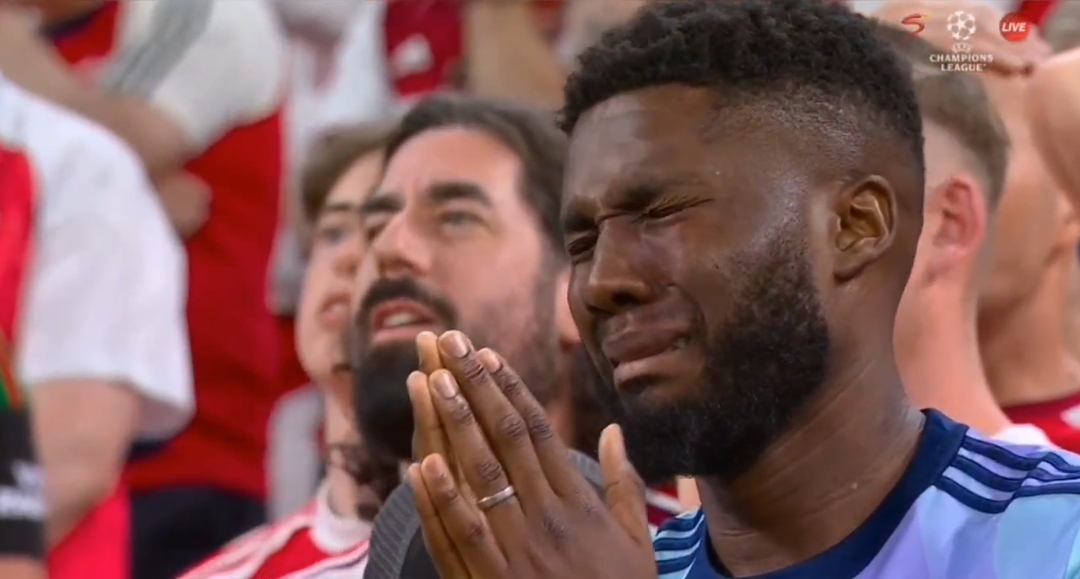
In Nigeria, viewing centres were filled long before kick-off, with many supporters proudly wearing jerseys of both clubs. Yet the crowds also featured fans of rival teams, some backing Arsenal, others rooting for PSG, while many simply hoped to witness a thrilling encounter. The banter flowed as freely as the excitement, turning the final into a social event as much as a sporting one.
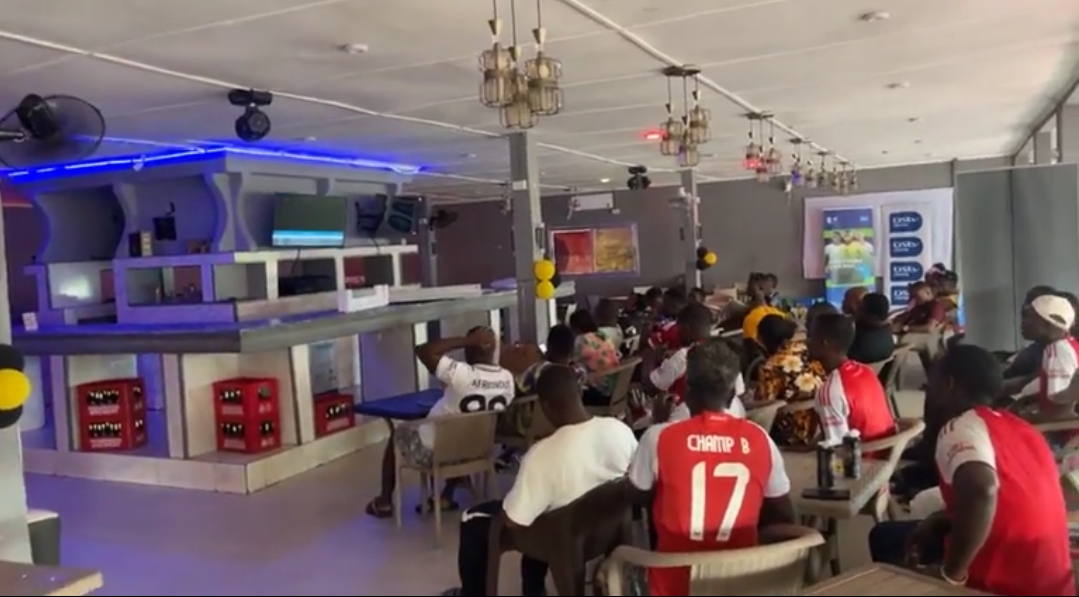
The Champions League final has evolved into far more than a football match. It is a cultural phenomenon that attracts audiences far beyond the traditional fan base of the competing teams. Even those with no direct allegiance to Arsenal or PSG found themselves drawn into the excitement and tension that only a final can provide.
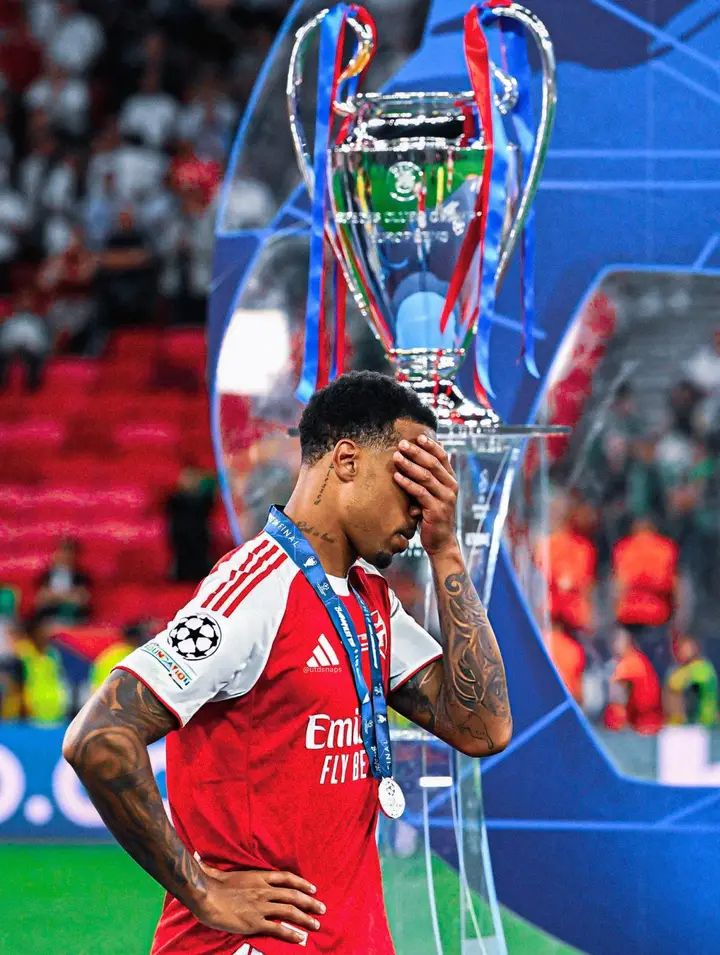
While PSG ultimately celebrated victory and Arsenal endured heartbreak, the result was only part of the story. The larger narrative was football’s remarkable ability to connect people across borders and time zones.
As the trophy was lifted and celebrations began, millions of fans around the world reflected on another memorable Champions League final.
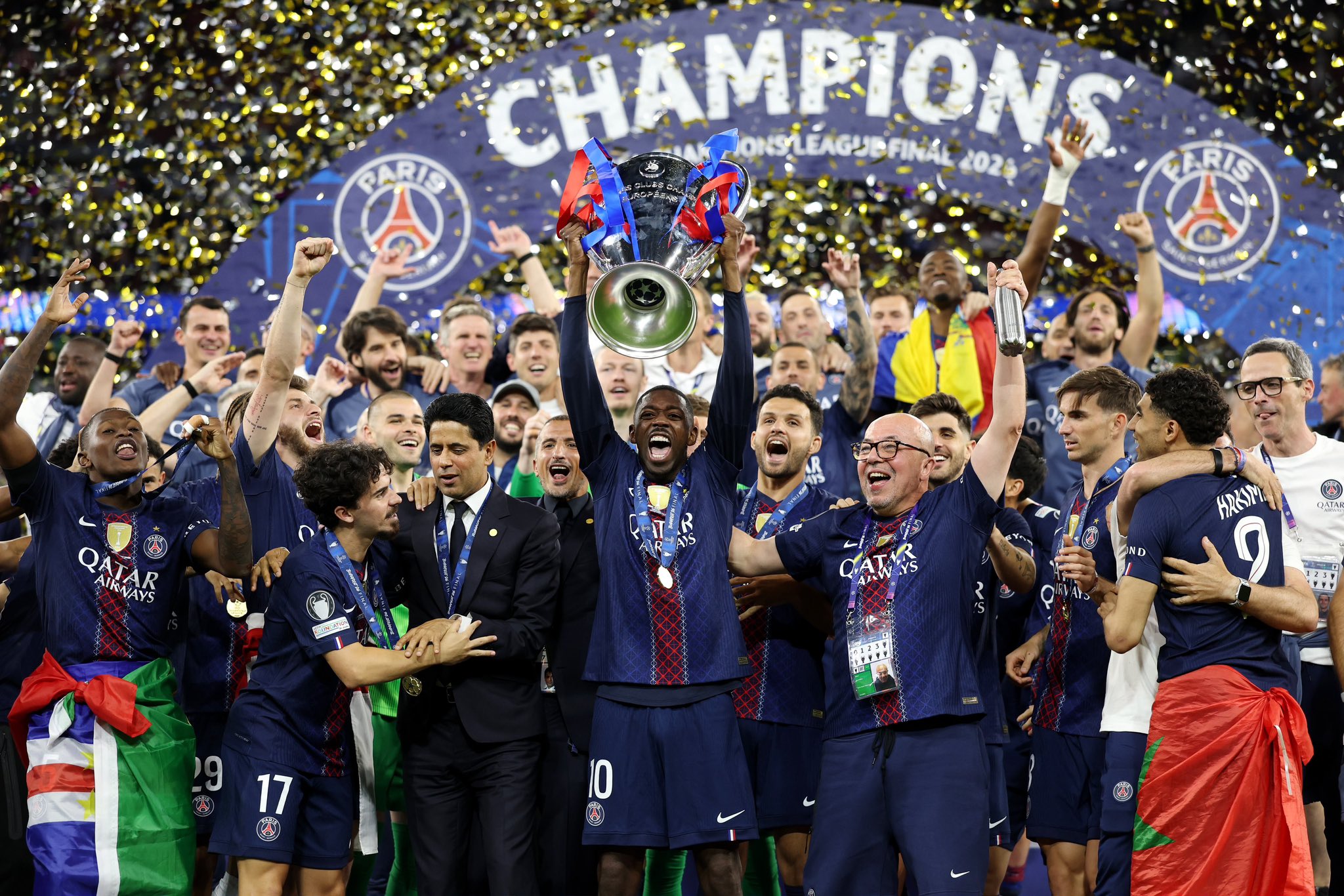
For a few hours, PSG and Arsenal were at the centre of the sporting universe, proving once again that football remains one of the most powerful forces for global unity.
