


Farming is gradually moving beyond traditional tools as robots and automated machines begin taking on some of the jobs traditionally performed by farmers.
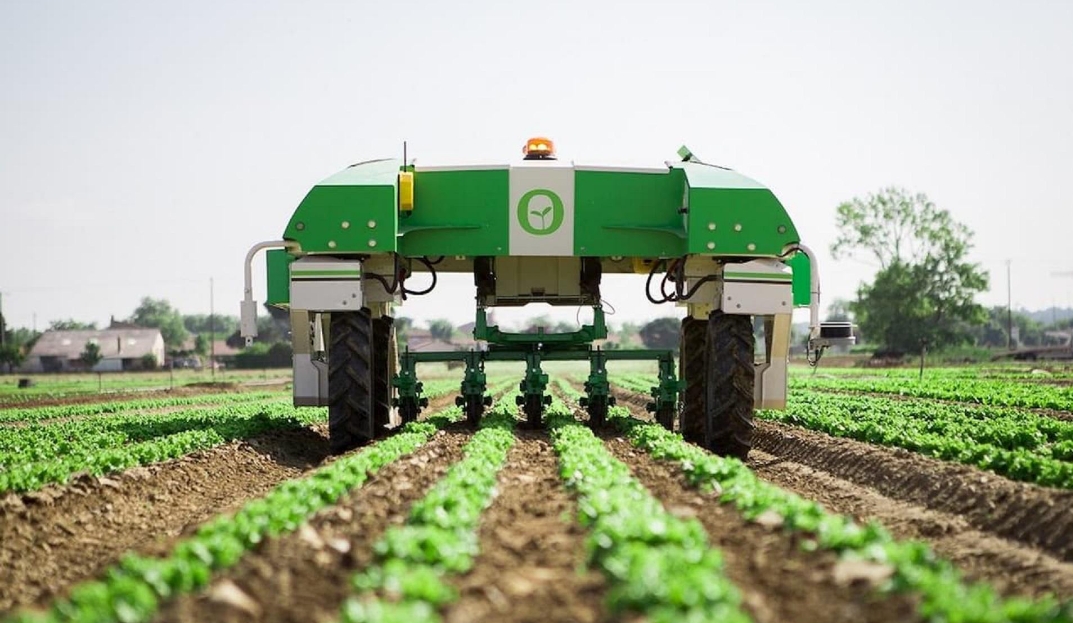

Known as robotic farming, the technology uses cameras, sensors, GPS and computer systems to help machines plant seeds, identify weeds, monitor crops and harvest produce.
Some agricultural robots can move through farms, use cameras to distinguish crops from weeds and remove unwanted plants without affecting the crops. Others can plant seeds at specific distances or identify ripe fruits for harvesting.
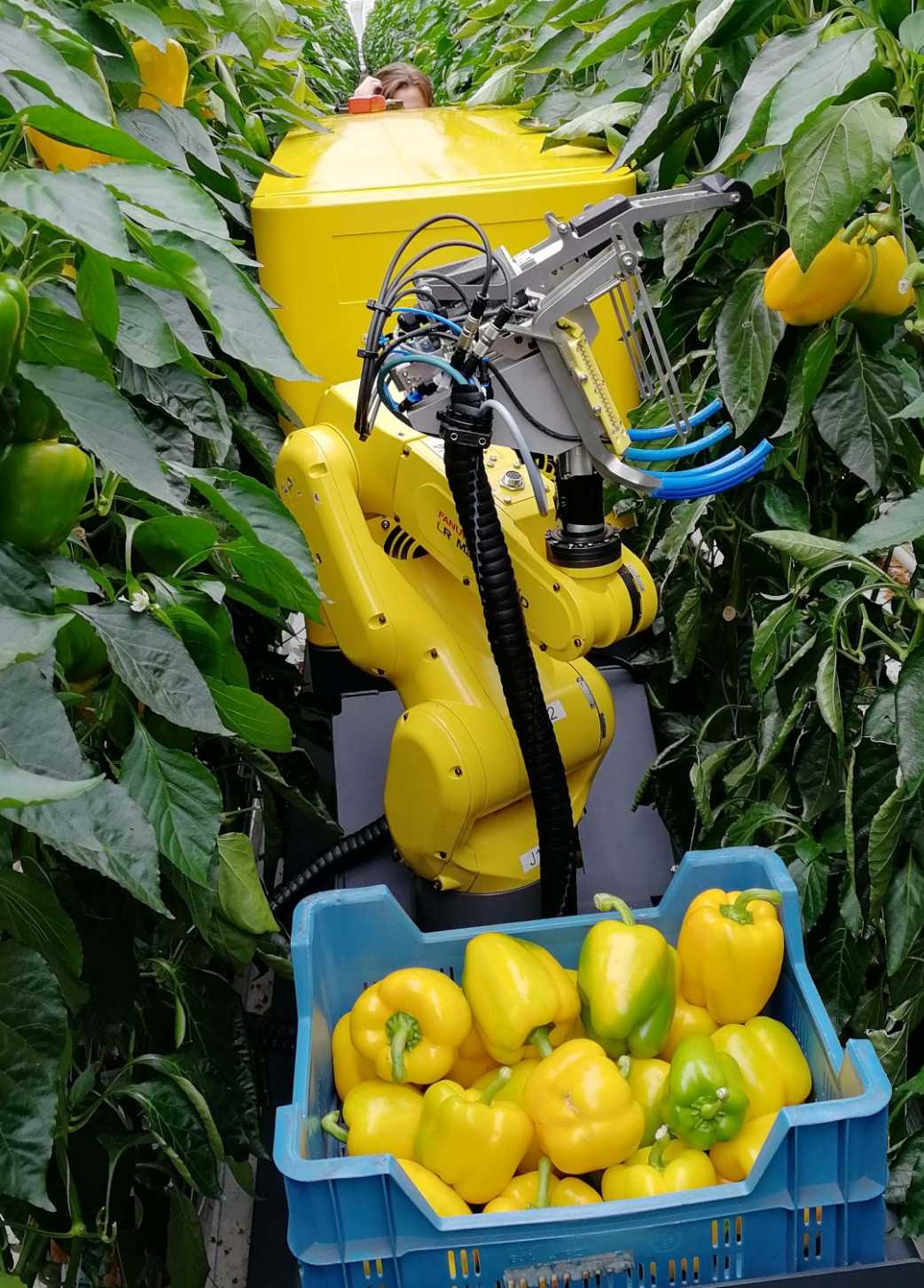
The technology could have economic benefits, particularly by improving productivity and reducing waste. Farmers could use fewer seeds, chemicals and other inputs while covering larger areas of farmland.
For Nigeria, robotic farming could support efforts to increase food production and reduce some of the pressure caused by labour shortages and rising farming costs.
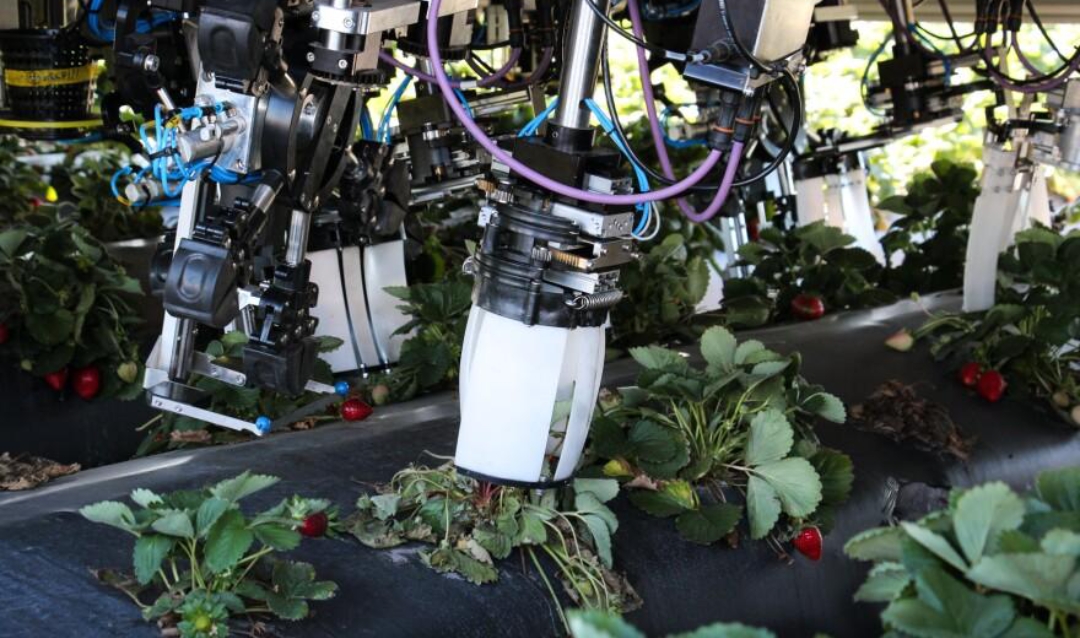
However, the technology also comes with challenges. Sophisticated robots can be expensive, while many farmers lack access to reliable electricity, technical support and the skills needed to operate the equipment.
Rather than every farmer buying a robot, agricultural cooperatives and technology companies could provide machines as a service, allowing farmers to pay to use them when needed.
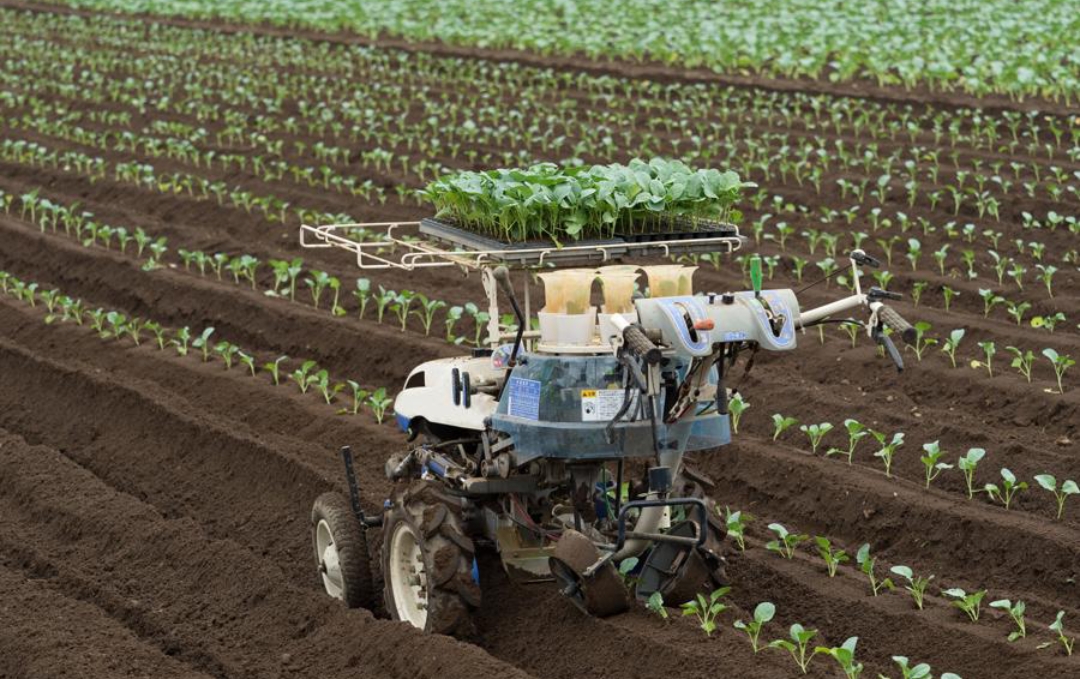
Robotic farming is unlikely to replace farmers completely. Instead, it could change how they work, with greater demand for people who can operate, repair and manage agricultural technology.
As technology continues to enter the agricultural sector, the Nigerian farm of the future may involve farmers working alongside machines to produce more food, reduce waste and improve efficiency.
