

For many Nigerians, a smartphone is no longer just a device for making calls, chatting or scrolling through social media. Increasingly, it has become a tool for finding work, promoting businesses, learning new skills and making money.
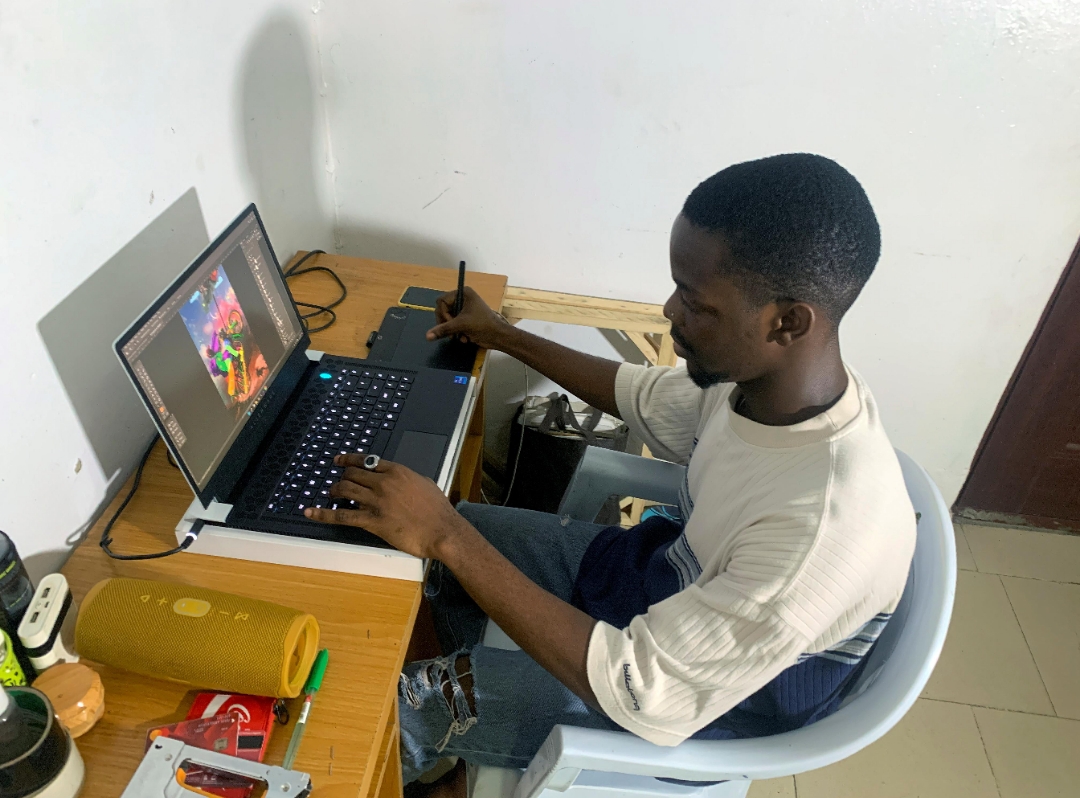

The growing interest in technology is changing how people think about work and income.
People who may once have depended entirely on a monthly salary are learning digital skills that allow them to take on additional jobs, work remotely or start businesses with relatively little capital.
Coding, software development, graphic design, digital marketing, data analysis, cybersecurity, artificial intelligence, video editing, content creation, photography, UI/UX design and social media management are among the skills attracting growing interest.
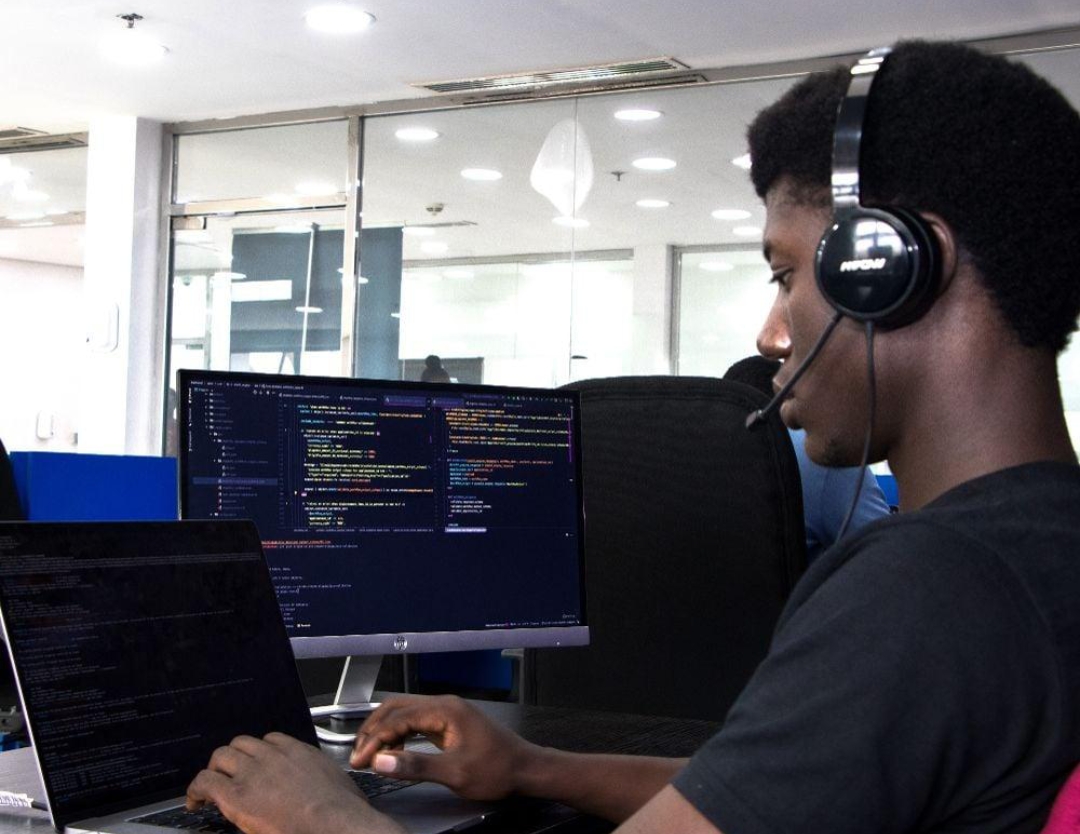
For some Nigerians, learning one of these skills has become a way to escape the frustration of searching endlessly for traditional employment. Others see it as an opportunity to build a second source of income while keeping their regular jobs.
The change is also visible in small businesses.
A fashion designer can display clothes online without renting another shop. A food vendor can receive orders through social media. A barber can advertise services online, while a small business owner can use digital marketing to reach customers outside the neighbourhood.
Behind many of these businesses are people with digital skills.
Graphic designers create their flyers and branding materials. Content creators produce their videos. Social media managers help them attract customers, while web developers build platforms that allow their businesses to operate online.
In this way, technology is creating work not only for those who build software but also for people providing services around the digital economy.
A boost for the economy
The growing use of digital skills is gradually creating another layer of economic activity in Nigeria.
When people earn through freelancing, remote jobs or online businesses, they spend their income on food, rent, transportation, education, internet subscriptions and other necessities.
Some also earn from international clients, bringing foreign income into the country without having to relocate.
For small businesses, having an online presence can mean more customers and, ultimately, more sales.
The impact can therefore extend beyond the person sitting behind a laptop.
A digital marketer may help a business increase sales. A designer may help a new company build its brand. A developer may create a platform that employs other people. A content creator may generate income for photographers, editors and other service providers.
Technology is consequently becoming connected to different parts of the economy.
But getting into tech is not always easy
Despite the opportunities, the digital economy comes with its own difficulties.
The cost of laptops and smartphones remains a major barrier for many people. Internet data can also be expensive, while poor electricity supply makes it difficult for those working online to remain productive.
Learning the skills is another challenge.
Many people depend on free online courses, tutorials and communities because professional training can be expensive. Even after acquiring a skill, getting clients and building a reputation can take time.
There is also growing competition as more people enter the digital space.
Yet the interest continues.
Technology is gradually changing the traditional idea of what it means to have a job. A person does not necessarily need to sit in an office from morning until evening to earn a living.
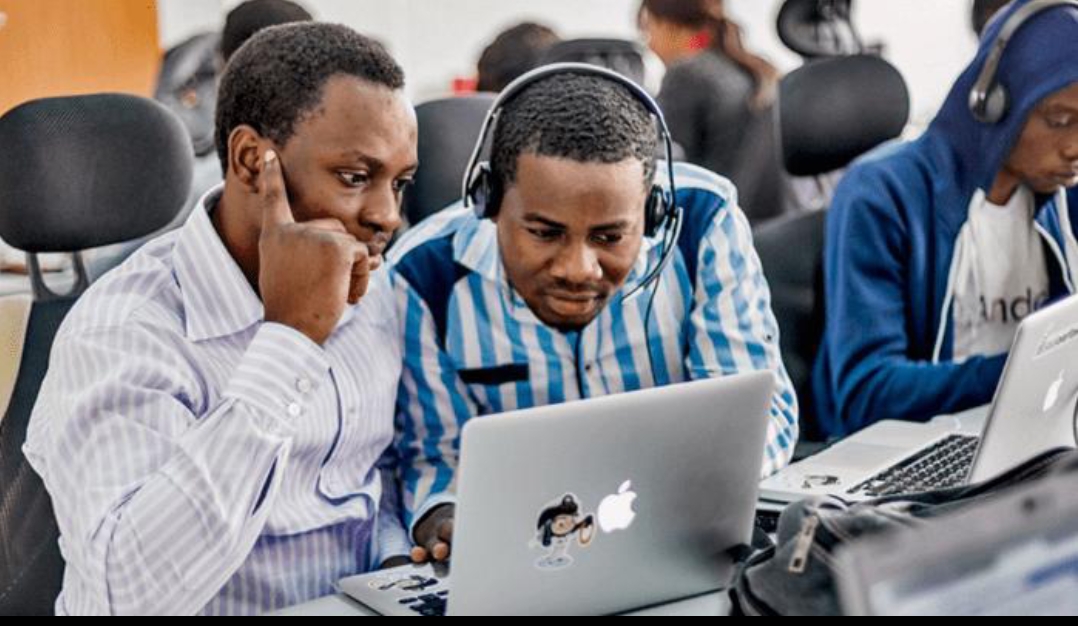
For many Nigerians, a laptop, smartphone and a valuable digital skill can now open doors to opportunities far beyond their immediate environment.
As the country searches for ways to create jobs, support businesses and expand economic opportunities, digital skills could become an increasingly important part of the solution.
The technology boom is no longer happening somewhere far away.
It is already changing how Nigerians work, trade, earn and build their livelihoods.
