

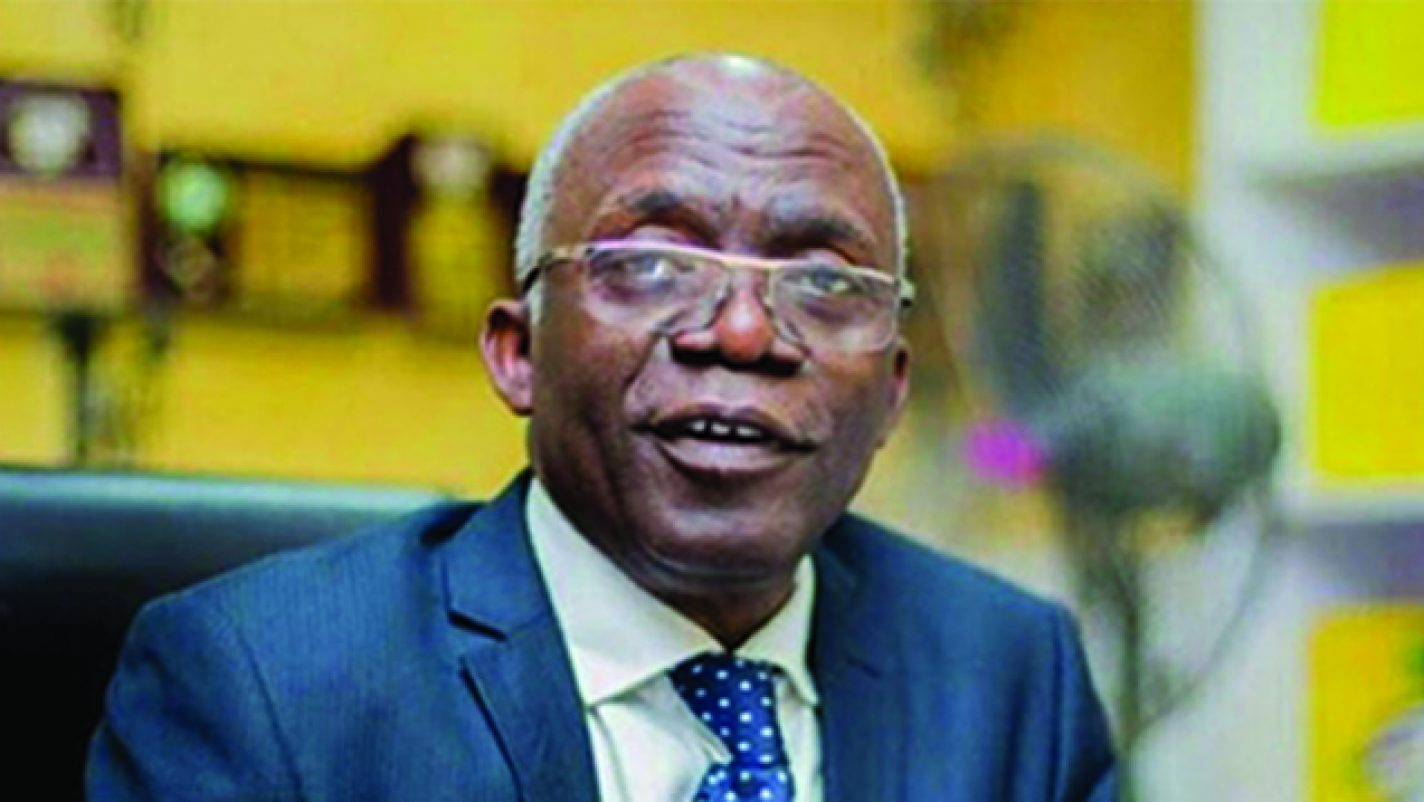
Senior Advocate of Nigeria and renowned human rights lawyer, Femi Falana, has faulted the Nigerian Senate for repeatedly delaying consideration of the Electoral Act Amendment Bill, cautioning that the continued postponement could seriously undermine the integrity of the 2027 general elections.
Falana made this known during an interview on News on Sunday, where he voiced dissatisfaction with the Senate’s move to constitute another committee to review the bill, despite its passage by the House of Representatives in December 2025.

He condemned the step as needless, insisting that it was designed to maintain existing arrangements rather than implement urgent electoral reforms.
“Clearly, from the conduct of both chambers of the National Assembly, it is very clear that the members simply want the status quo retained.
“This rigmarole is meant to give the impression to Nigerians that the proposed Electoral Act is being addressed,” Falana said.
The Electoral Act Amendment Bill, according to him, seeks to implement vital changes to Nigeria’s electoral system, including provisions for electronic transmission of results, tougher punishment for vote-buying, voting rights for inmates, and penalties for delegates who are financially induced to manipulate party primaries.
Falana maintained that these proposed amendments are necessary to close long-standing loopholes in the electoral process. He accused lawmakers of concentrating on issues already captured in existing laws, while neglecting the enforcement of crucial electoral provisions.
“We operate in an atmosphere of reckless impunity. The only politically important issue today is the gale of defections in Nigeria, yet the National Assembly focuses on time-wasting amendments,” he said.
He further recalled that major electoral reforms, such as the creation of an electoral offences commission recommended as far back as 2008, remain unimplemented.
Falana stressed the importance of explicitly incorporating electronic accreditation and result transmission into law, referencing disputes that arose during previous elections.
“Last election, we were subjected to a national disgrace when three leading presidential candidates claimed to have won. That election petition lasted 10 months. Why should it take two years to put these provisions in law?” Falana asked.
Beyond electoral matters, Falana also addressed the prosecution of alleged coup plotters, insisting that only the Federal High Court is constitutionally empowered to handle treason-related cases.
“Under the current democratic dispensation, it is only the Federal High Court that is empowered, by virtue of Section 251(2) of the Constitution, to try treason and allied offences. The government must adhere to this law,” he said.
He additionally criticised the Lagos State Government over its approach to protests and demolitions, arguing that due process and fundamental human rights are often disregarded.
“If the government wants to demolish, no problem. But you must discuss and place them in another location. Two, our people are entitled to the right to dignity and housing. Actions in the dead of the night using tear gas are not lawful,” Falana said, referencing court judgments that protect citizens from unlawful eviction.
Falana also defended the rights of protesters, emphasizing that criticism of public officials is essential in a democracy.
“Vulgar abuse cannot attract a defamatory action… criticism is indispensable in a democratic society,” he said, while condemning the forceful dispersal of peaceful protesters at Alausa.
He concluded by calling on Nigerians and civil society organisations to pressure lawmakers to ensure the passage of the Electoral Act Amendment Bill.
“Unless Nigerians are mobilised to pressure the National Assembly, the new electoral bill will not be passed. There is no indication that it will be passed unless we act,” Falana said.
