
‘My body misfires’ — Chude Jideonwo opens up on living with tourette syndrome, challenges stigma

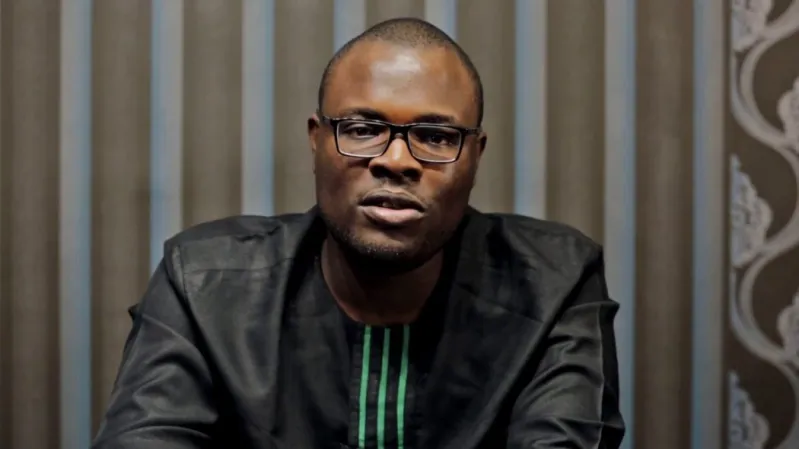
The Nigerian media personality, Chude Jideonwo, has spoken publicly about living with Tourette syndrome, describing it as a condition that can make the body feel “out of control”.
In an interview with BBC News Africa, Jideonwo also addressed the widespread stigma associated with the disorder across the continent.

Tourette syndrome is a neurodevelopmental condition characterised by involuntary tics, including sudden, repetitive movements or sounds. Although there is no cure, symptoms can be managed through behavioural therapy and, in some cases, medication.
Jideonwo revealed that his doctor initially advised him to keep his diagnosis private.
“When I was diagnosed, my doctor warned me not to talk about it in public — that people were going to judge me, especially in Africa. That made me sad, but it also shows why people are not speaking out about it,” he said.
The 41-year-old said he began to consciously notice symptoms in his late twenties and has since relied on strict self-control to manage them.
“I began to notice Tourette’s in my late 20s. It feels like your body misfires — like it is out of your control in physical ways,” he said.
“The movement tics, the vocal tics. Mine is mild. I tend to repeat words constantly.
“I manage it by holding myself under pressure. If I’m in public and not speaking, it’s because I’m holding myself back — using my entire mind to control it.”
“The other way is to say it out loud. Once I do, people understand, and the embarrassment reduces.”
He also criticised how the condition is often depicted in Nollywood films, saying such portrayals reinforce negative stereotypes.
“If you watch Nigerian movies, people with Tourette’s are usually portrayed as demon-possessed or as if something is wrong with them,” he said.
Jideonwo recalled an incident at the 2026 BAFTA Film Awards involving John Davidson, who involuntarily shouted a racial slur — an act later linked to Tourette syndrome.
“It broke my heart. It showed how much work still needs to be done,” he said.
He added that seeing Billie Eilish speak openly about her experience encouraged him to share his own story more widely.
“I saw Billie Eilish talk about it, and that made me comfortable. Now I talk about it everywhere,” he said.
“I’ve written about it in my book and articles. Visibility is the primary contribution I can make to normalising it, especially for young people.”